Struggling to choose between Corian and quartz for your project? The wrong choice could lead to unexpected scratches or high fabrication costs. I'll help you see the clear differences.
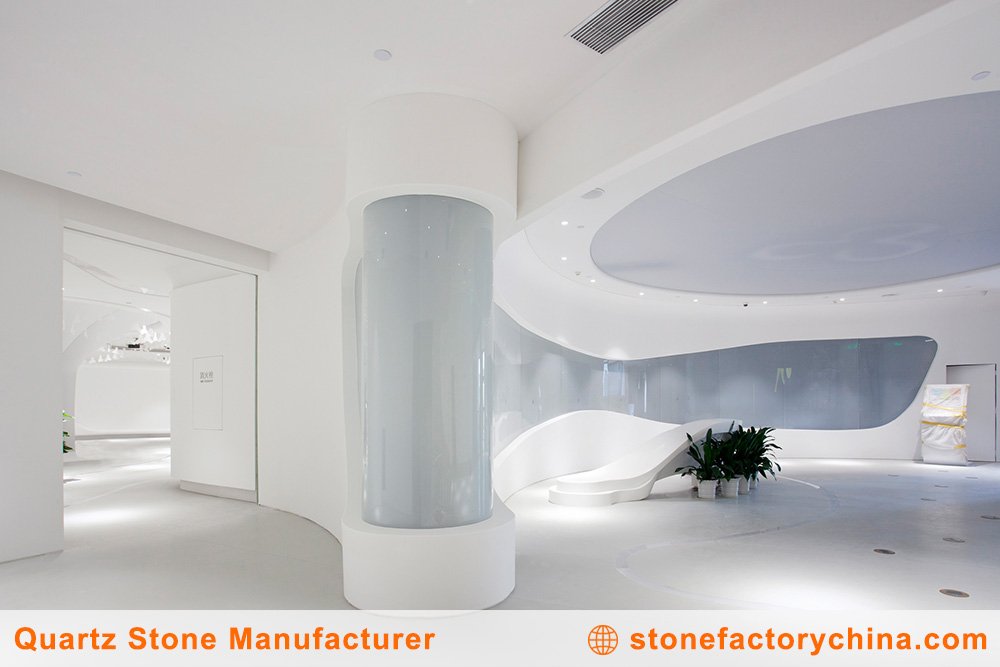
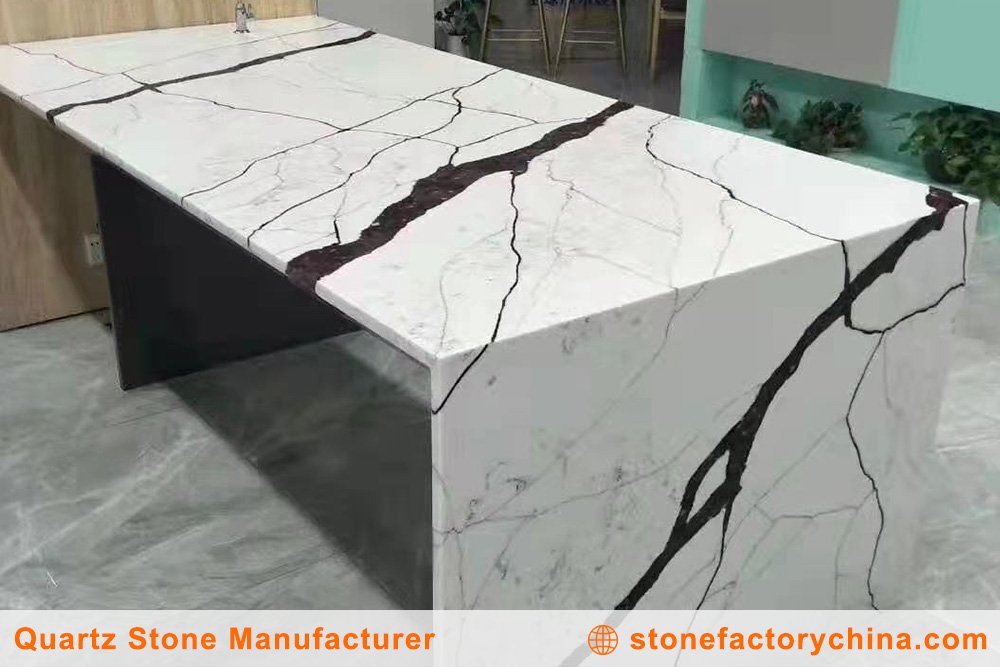
The main difference is hardness and design flexibility. Quartz is extremely hard and scratch-resistant, making it very durable. Corian, an acrylic solid surface, is softer but offers unparalleled design freedom with seamless, curved shapes.
I've put together a table to help you see a clear, side-by-side comparison.
| Aspect | Corian (acrylic solid surface) | Quartz |
|---|---|---|
| Hardness and toughness | Higher toughness/impact resistance relative to quartz | Extremely hard |
| Scratch resistance | More prone to scratching | Highly scratch-resistant |
| Durability | Durable | Very durable |
| Design flexibility | Exceptional design freedom | More limited |
| Seamless/curved shapes | Supports seamless joins and curved forms | Large seamless curved forms are harder to achieve |