Struggling to tell if a quartz slab is a quality investment or a costly mistake? You need simple, reliable tests to avoid problems before they start.
The best way to test quartz quality is through a combination of visual, physical, and performance checks. Look for color consistency and a smooth surface, measure thickness, test stain and scratch resistance, and always verify certifications from the manufacturer to ensure it meets industry standards.

As an export manager, I’ve seen it all. A beautiful slab can hide underlying issues that only appear after installation. For procurement managers like you, catching these problems early is not just about quality, it's about protecting your project's budget and reputation. You need to know what you're buying before it leaves the factory. Let's walk through the exact steps I use to guarantee the quality of every slab we ship. This practical knowledge will help you make smarter purchasing decisions and build stronger supplier partnerships.
How to check the quality of quartz?
Worried about accepting a shipment with hidden flaws? These defects can cause major installation delays and budget overruns. You need a fast and effective inspection routine.
Checking quartz starts with your eyes and hands. Look for uniform color and pattern. Feel for a perfectly smooth surface. Then, use simple tools like a caliper to measure thickness consistency and a straight edge to check for any warping or bending in the slab.
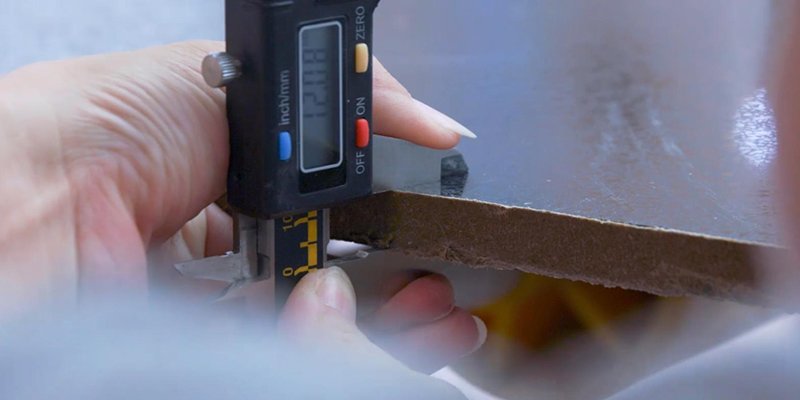
A thorough physical inspection is your first line of defense. It’s a simple process, but it reveals a lot about the manufacturing care and quality control. From my 13 years of experience, I can tell you that the most common issues are often the easiest to spot if you know what to look for. Skipping this step can lead to big problems down the line, especially when dealing with large orders where consistency is key. I always teach my clients these basic checks because a well-informed partner is the best kind of partner.
Your Initial Hands-On Inspection Checklist
The first few minutes with a slab can tell you almost everything. Pay close attention to the details. A high-quality slab feels solid and looks flawless. A low-quality one often shows small but significant signs of poor production. Here is a simple checklist to guide you during your visual and physical inspection.
| Test | Method | What to Look For |
|---|---|---|
| Visual Check | Inspect the entire surface under good lighting. | Irregular patterns, black spots, pinholes. |
| Color Check | Compare multiple slabs from the same batch. | Inconsistent color or shading between slabs. |
| Thickness Check | Use a vernier caliper to measure at several points. | Thickness variations beyond the accepted tolerance. |
| Surface Feel | Run your hand across the surface. | Rough patches, uneven texture, or microcracks. |
| Flatness Check | Place a spirit level or straight edge on the slab. | Any bending, warping, or gaps under the edge. |
What does low-quality quartz look like?
Does a price that seems too good to be true make you suspicious? Low-cost slabs often cut corners on materials, leading to poor performance and durability. This can ruin a project.
Low-quality quartz often has an inconsistent color or a blotchy pattern. It may feel lighter than expected due to a high resin content. You might also notice a plastic-like sheen, small pinholes on the surface, or a tendency to scratch or stain easily.
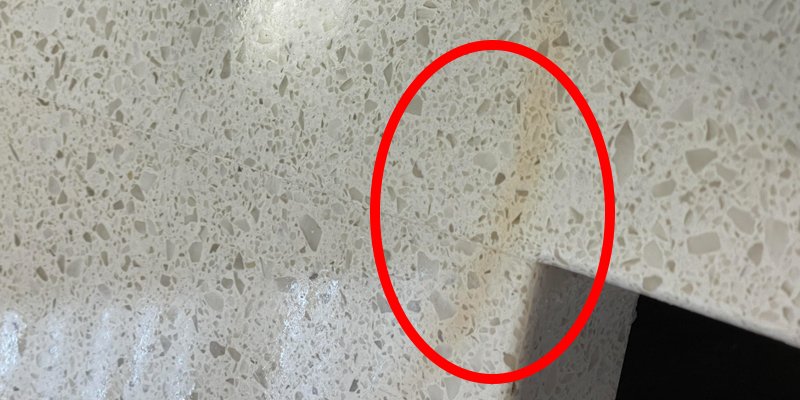
Spotting a bad slab before it's purchased is critical. The visual signs are often linked directly to the slab's composition. A higher percentage of resin and fillers not only weakens the slab but also makes it more susceptible to damage from heat and everyday use. I’ve seen slabs with over 20% resin content fail basic tests. These products might look acceptable at first glance, but they lack the density and durability of genuine, high-quartz-content slabs. Recognizing these red flags protects your investment and ensures your final project meets client expectations.
Spotting the Red Flags in a Slab
Knowing the difference between a premium product and a cheap imitation is key. The issues with low-quality quartz are rooted in its composition—too much resin and not enough actual quartz. This imbalance affects everything from weight to surface finish. A high-quality slab feels dense and substantial. An inferior one feels lighter and may have an artificial gloss to hide imperfections. Here’s a clear comparison to help you tell them apart.
| Feature | High-Quality Sign | Low-Quality Red Flag |
|---|---|---|
| Composition | 90-95% quartz, feels heavy and dense. | High resin content (>10-20%), feels lighter. |
| Surface Finish | Natural, deep luster. | Artificial, plastic-like gloss or coating. |
| Color & Pattern | Uniform and consistent across the slab. | Blotchy colors, dark spots, pinholes. |
| Durability | Resists common household stains and scratches. | Stains easily and scratches with little effort. |
| Heat Resistance | Handles moderate heat without damage. | Discolors or burns from hot pans. |
Are there different levels of quartz quality?
Confused by the wide range of prices for quartz? Not all quartz is created equal, and paying for premium without getting it is a common procurement headache. You must understand the grades.
Yes, there are different quality levels of quartz, typically based on the purity of the quartz crystals, the quality of the resin binder, and the manufacturing process. These grades range from premium first-choice slabs to commercial or second-grade options with minor imperfections.

Understanding the grading system is crucial for managing costs and expectations. As a manufacturer, we classify slabs based on strict criteria. First-choice, or premium grade, contains the highest percentage of pure quartz, uses top-tier resins, and has a flawless finish. Commercial grades might have slight variations in color or pattern but are still structurally sound. Lower grades often have more fillers, cheaper resins, and visible defects. Knowing which grade you need and are paying for ensures you get the right performance for your project's specific application.
Understanding Quartz Quality Grades
The quality grade of a quartz slab directly impacts its price, appearance, and long-term performance. This is determined by the raw materials and the precision of the manufacturing technology. Premium slabs use the purest quartz and advanced polymer resins, while economy grades may use more fillers and cheaper binders. This difference is not just cosmetic; it affects the slab's durability, porosity, and resistance to heat and stains. For a procurement manager, matching the grade to the project's requirements is how you optimize your budget effectively.
| Grade | Quartz Content | Resin & Binders | Appearance & Performance | Best For |
|---|---|---|---|---|
| Premium | 93%+ | High-quality polymer | Flawless color consistency, superior durability, high gloss. | High-end residential and commercial projects. |
| Mid-Grade | 90-93% | Standard quality | Good durability, may have minor color or pattern variations. | Standard commercial and residential use. |
| Economy/Second | <90% | Cheaper resins/fillers | Visible imperfections, lower resistance to stains & heat. | Budget-sensitive projects, low-traffic areas. |
How to test quartz countertops?
How can you be sure the slab you approved is as durable as the supplier claims? Visual checks are not enough. You need simple performance tests to verify its real-world strength.
To test a quartz countertop, perform a stain test with common liquids like wine or coffee. Conduct a scratch test in an inconspicuous area with a key. You can also use a gloss meter to measure surface reflectivity, which indicates polish quality and density.
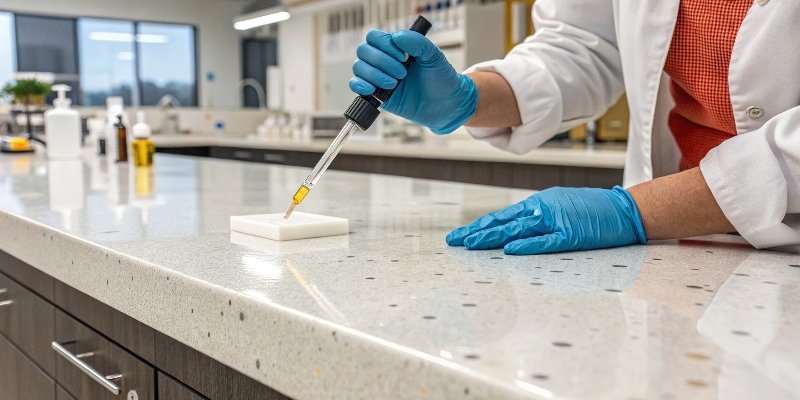
Verifying performance is the final step in confirming quality. I always provide samples to my clients for this exact reason. A high-quality quartz slab is non-porous, so stains should wipe away easily. It's also one of the hardest countertop materials, so it shouldn't scratch from everyday objects. These simple tests mimic daily use and give you confidence in the product's longevity. Also, always ask for documentation. Reputable manufacturers provide test reports and certifications like NSF or Greenguard, which prove the material is safe and meets international quality standards.
Performance Tests and Professional Verification
Beyond a simple visual check, performance tests reveal the true quality of the resin and the manufacturing process. A slab with poor-quality resin will fail these tests quickly. Professional tools and certifications provide objective proof of quality. As a supplier focused on the global market, we ensure our products meet strict standards like ISO and SGS because we know our clients depend on it. Verifying these details protects everyone and is a hallmark of a reliable supply chain partner.
| Test | Method | Expected Result for High-Quality Quartz |
|---|---|---|
| Stain Resistance Test | Apply coffee, wine, or oil to a sample. Let sit, then clean. | The stain wipes away completely with no residue or discoloration. |
| Scratch Resistance Test | Try to scratch a sample with a key or knife blade. | The surface resists scratching and shows no marks. |
| Heat Resistance Test | Place a warm (not scorching hot) pan on a sample for a short time. | No scorching, discoloration, or cracking occurs. |
| Gloss Measurement | Use a gloss meter on the surface. | A reading above 80 Gloss Units (GU) indicates a high-quality polish. |
| Certification Verification | Request documentation for ISO, NSF, SGS, or Greenguard. | The supplier provides valid, up-to-date certificates for their products. |
Conclusion
In short, testing quartz quality involves simple visual checks, physical measurements, and performance tests. By verifying these details, you ensure every slab meets your project’s standards and delivers lasting value.