Feeling anxious about surprise customs fees and shipping delays with your quartz slab orders? These problems can derail your project's timeline and budget, creating serious stress for your team.
Handling customs involves using the correct HS Code (6810.19), preparing all necessary documents like the Commercial Invoice and Bill of Lading, and calculating tariffs based on the destination. Proper packaging and clear communication with a customs broker ensure a smooth process and avoid costly delays.
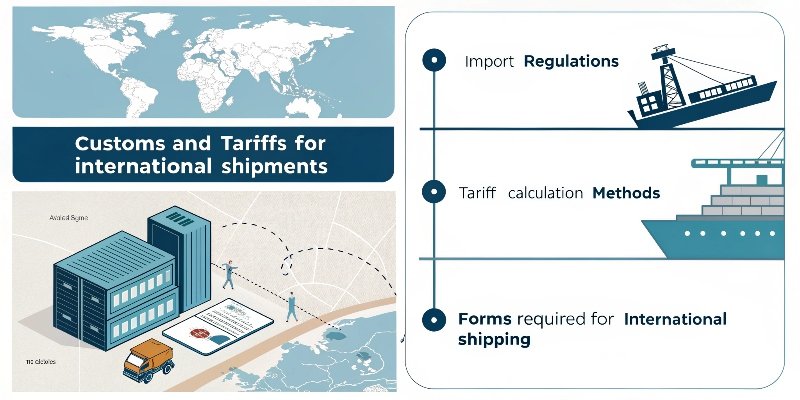
Navigating international shipping seems complex, but it doesn't have to be. Over my 13 years in this business, I've learned that breaking it down into smaller, manageable parts makes all the difference. The details matter, from the specific tariff codes to the way the slabs are packed. Let's dive into the specifics of these tariffs so you can plan your next import with confidence. A clear understanding here is the first step to mastering your supply chain.
What is the quartz tariff?
Are you unsure how tariffs on quartz slabs are determined? This lack of clarity can result in unexpected costs that blow your budget and reduce your project's profitability.
The tariff for quartz is based on its HS Code, 6810.19. Rates vary by country, from 0% with free trade agreements to 6.5% in the US. However, products from China can face additional anti-dumping duties, sometimes reaching over 300% in certain markets.
The Harmonized System (HS) code is a global standard for classifying traded products. For quartz slabs, the specific code is 6810.19. This code tells customs authorities what the product is, which determines the tariff rate. While the base rate might be low, other factors can dramatically increase the total cost. For example, the United States has imposed significant anti-dumping and countervailing duties on quartz from China. This makes direct import from China to the US very expensive. As an exporter, I have to be transparent about these costs with my clients, like a procurement manager in Mexico. We always advise checking the latest rates for your specific country, as this knowledge is crucial for accurate budgeting and avoiding surprises at the port.
Tariff Rate Comparison
| Country/Region | Base Tariff Rate | Notes |
|---|---|---|
| USA | ~6.5% | Plus anti-dumping duties up to 336.69% on Chinese quartz |
| European Union | Varies (often low) | Check specific member state regulations |
| Australia | 0% - 5% | Often 0% under China-Australia FTA |
| Mexico | Varies | Depends on trade agreements and specific policies |
Are quartz countertops imported?
Do you wonder if you can find the quartz you need without importing? Sticking to local options can limit your color selection and leave you paying higher prices for materials.
Yes, a vast majority of quartz countertops and slabs are imported. Major manufacturing hubs, especially in Asia, produce quartz for the global market. Countries like the US, Canada, Australia, and many in Europe rely heavily on these imports to meet consumer demand.
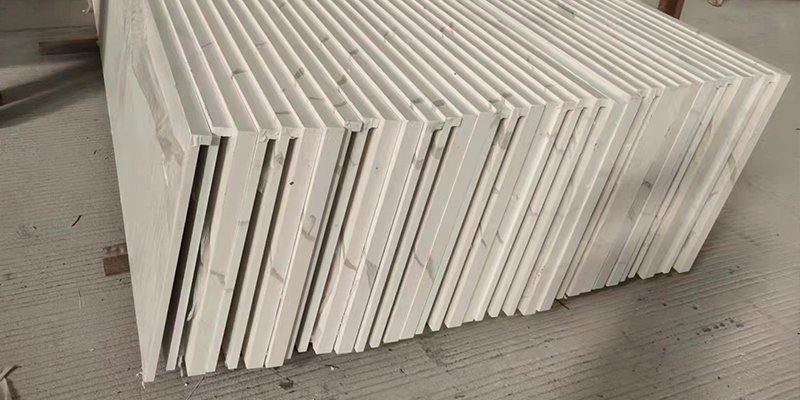
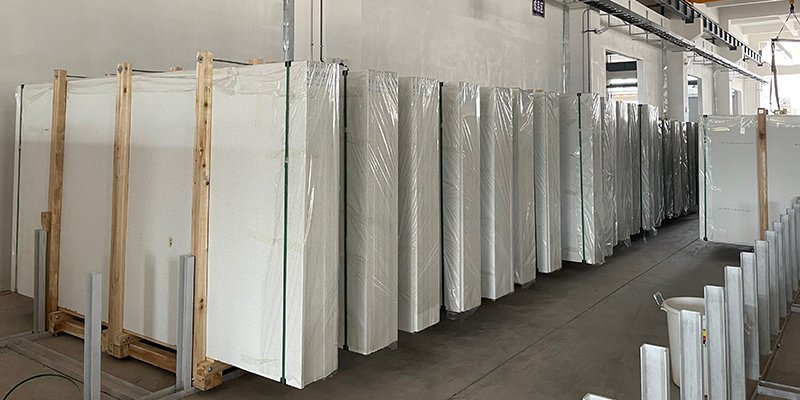
The global quartz market relies heavily on imports because manufacturing is concentrated in countries with specialized technology and economies of scale, like China. This allows for competitive pricing and a huge variety of designs. When I work with a client in Mexico, ensuring a smooth import process is my top priority. This means meticulously preparing all the necessary paperwork. A single missing document can cause a shipment to be held at the port for weeks, leading to project delays and extra fees. Since 2024, China has even implemented stricter rules, requiring new quality inspection certificates for all quartz exports. Proper packaging is also critical, as damaged shipments can be rejected by customs. We use reinforced wooden crates and A-frames to protect every slab and ensure it passes inspection without issue.
Key Shipping Documents
| Document | Purpose |
|---|---|
| Commercial Invoice | States the value of the goods for customs. |
| Packing List | Details the contents, weight, and dimensions of the shipment. |
| Bill of Lading (B/L) | Acts as a receipt and contract for the shipment. |
| Certificate of Origin (CO) | Certifies the country where the goods were made. |
| Quality Inspection Certificate | Verifies the product meets specified standards (New for China). |
Does the US import quartz?
Trying to understand the US quartz market? The high tariffs on Chinese products seem like a major roadblock, making it appear that imports have stopped completely for some suppliers.
Yes, the United States is one of the largest importers of quartz in the world. However, due to heavy anti-dumping duties imposed on China in 2019, the supply chain has shifted. The US now imports heavily from countries like India, Vietnam, and Malaysia.
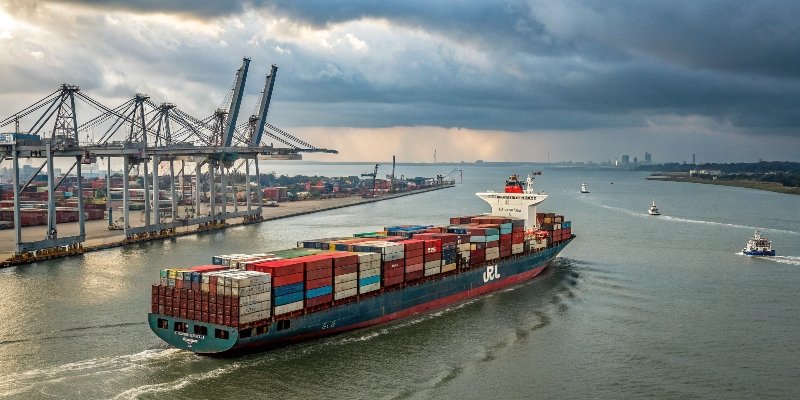
The US market for quartz is massive, but the trade landscape changed drastically in 2019. The US government imposed substantial anti-dumping and countervailing duties on quartz products imported directly from China. This made our products uncompetitive for the US market almost overnight. In response, many Chinese manufacturers, including our company, adopted a new strategy. We invested in setting up state-of-the-art manufacturing facilities in other countries like Vietnam and Malaysia. This allows us to continue serving global clients, including those in the US, without triggering these heavy tariffs. This strategic move also ensures a stable supply chain for our partners in places like Mexico, who are not directly affected by these specific US tariffs. It shows our commitment to finding solutions and adapting to global trade policies to keep our clients' projects moving forward.
US Import Strategy Comparison
| Factor | Direct from China | From Chinese Factory in Vietnam |
|---|---|---|
| Base Tariff | ~6.5% | Lower/Varies |
| A/D Duties | 300%+ | 0% |
| Lead Time | Similar | Similar |
| Final Cost | Very High | Competitive |
What is the price of quartz slab in India?
Are you exploring India as a source for quartz slabs? The price can fluctuate significantly, which makes it challenging to forecast costs for your construction or distribution projects.
The price of a standard-quality quartz slab in India typically ranges from $35 to $60 per square meter. Premium designs or thicker slabs can cost more. Remember to factor in additional costs like freight, insurance, and customs clearance fees.
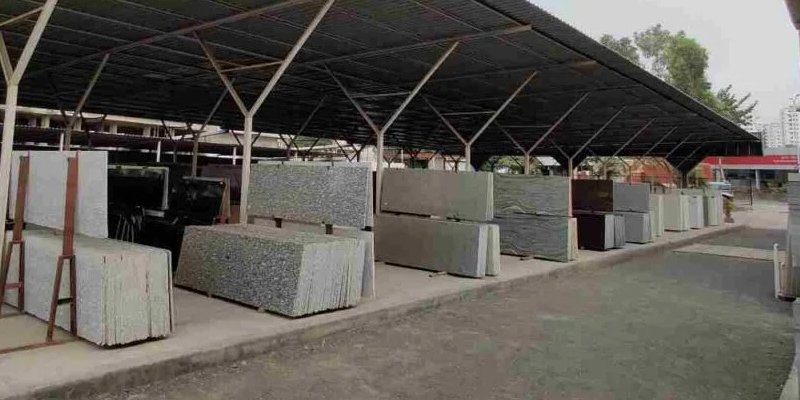
While India has become a major player in the quartz market, a procurement manager needs to look at the total landed cost, not just the factory price. The slab price is just the starting point. You must also consider ocean freight, insurance, and local port charges. To navigate the complex customs process, most importers hire a customs broker or freight forwarder. Their fees for a single container can range from $800 to $2,500. To simplify things and remain competitive, many Chinese exporters like us have started offering Delivered Duty Paid (DDP) terms. This means we handle all the shipping, customs, and tariff payments, delivering the container directly to your warehouse for one clear price. This transparency helps you manage budgets effectively and eliminates the risk of unforeseen expenses, which is something I always prioritize for my clients.
Example: Total Landed Cost Per Container
| Cost Item | Example Amount (USD) | Notes |
|---|---|---|
| Slab Cost (Ex-Works) | $15,000 | Price at the factory gate. |
| Ocean Freight & Insurance | $4,000 | Varies greatly by route and season. |
| Customs Broker Fee | $1,500 | Specialist fee for handling documentation. |
| Tariffs & Duties | $1,200 | Based on destination country's rates. |
| Total Landed Cost | $21,700 | The true cost to get goods to your door. |
Conclusion
Successfully importing quartz means mastering codes, documents, and tariffs. With strategic sourcing and clear terms like DDP, you can ensure a smooth and cost-effective supply chain for your projects.