
Opaly quartz slabs are available in a variety of sizes. The most common and standardized options are generally called jumbo and super jumbo quartz slabs.
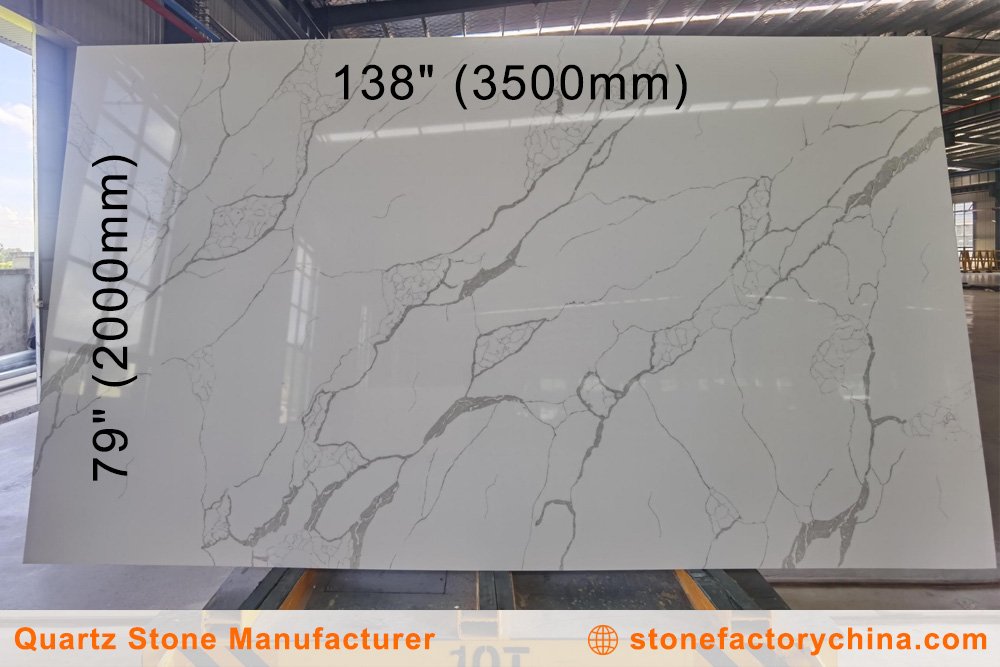
The most popular size in international trade is the super jumbo slab, measuring 138" × 79"(3500x2000mm).
This is because it is the largest single-slab size currently achievable in production, which is excellent for avoiding seams and achieving a complete and outstanding overall appearance.The standard thicknesses for Opaly quartz slabs are 20mm and 30mm, with 30mm being the optimal choice for quartz countertops. In addition, Opaly can also produce thicknesses of 15mm, 18mm, and 20+20mm to meet the needs of different projects.
Below is a table showing the standard quartz slab sizes offered by Opaly:
| Type of slab | Size(inches) | Size(mm) |
|---|---|---|
| Standard | 120" × 60" | 3050 × 1520 mm |
| Jumbo | 126" × 63" | 3200 × 1600 mm |
| Super Jumbo | 138" × 79" | 3500 × 2000 mm |
| Small Slab | 118" × 55" | 3000 × 1400 mm |
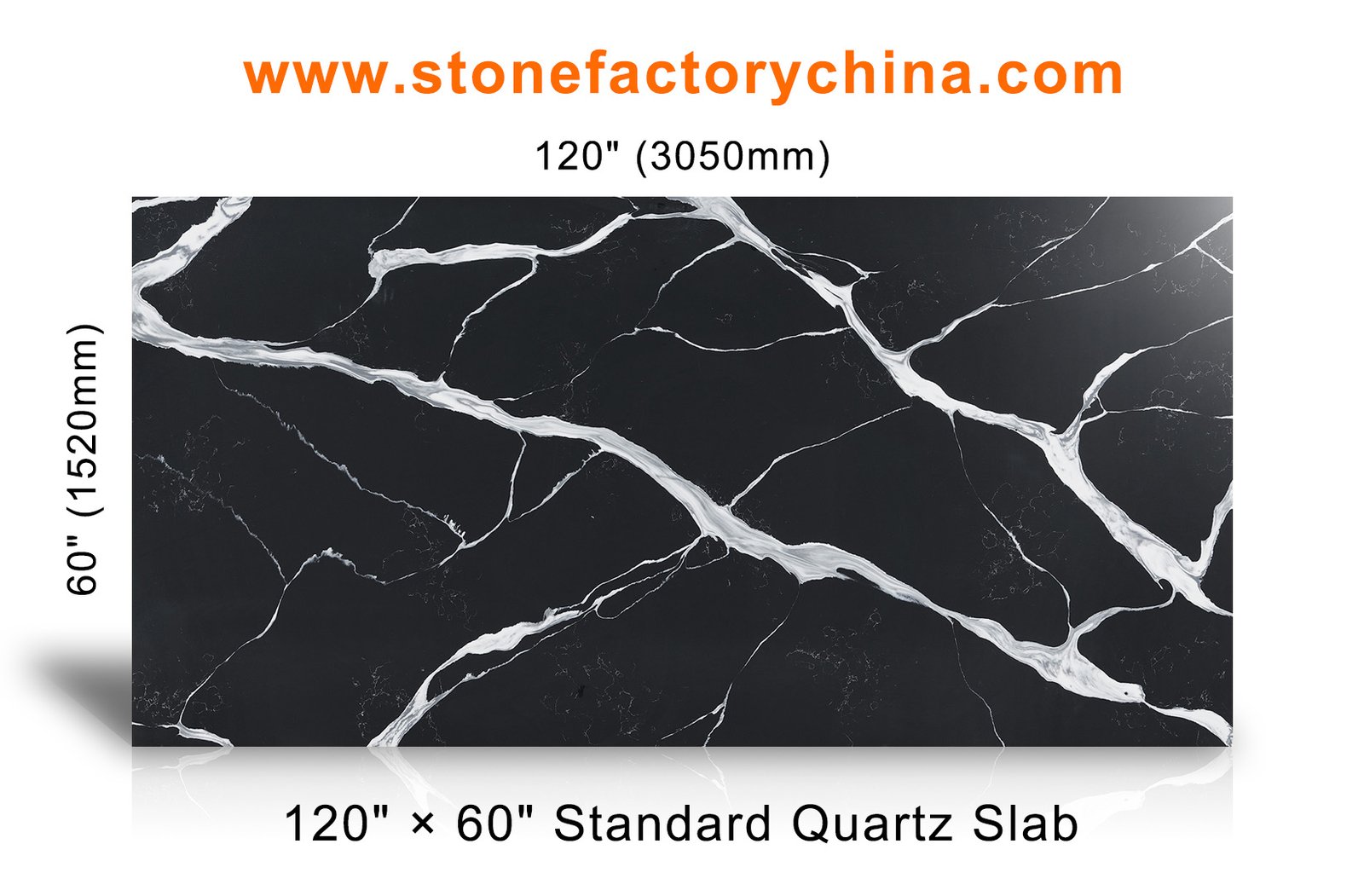
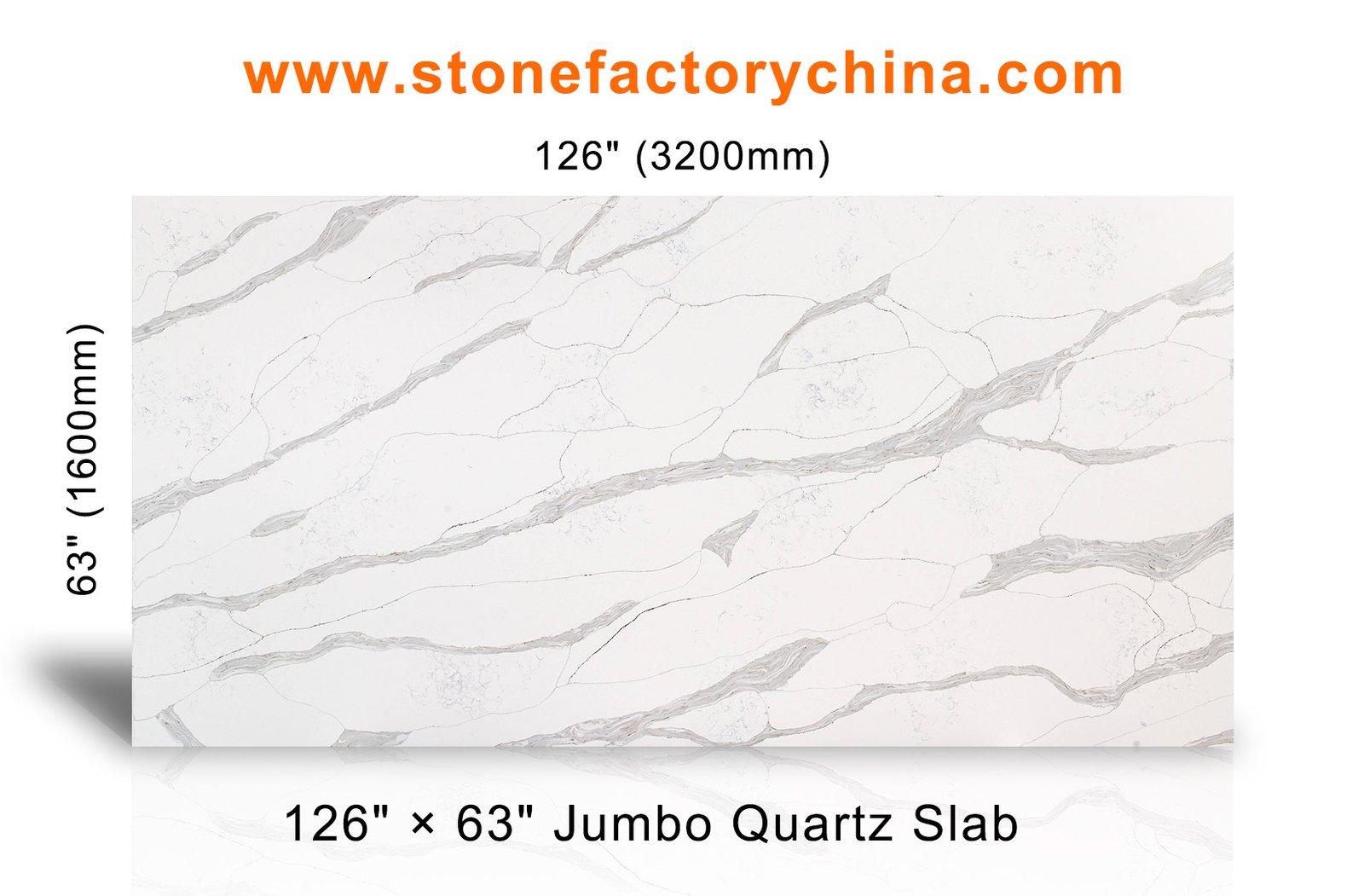
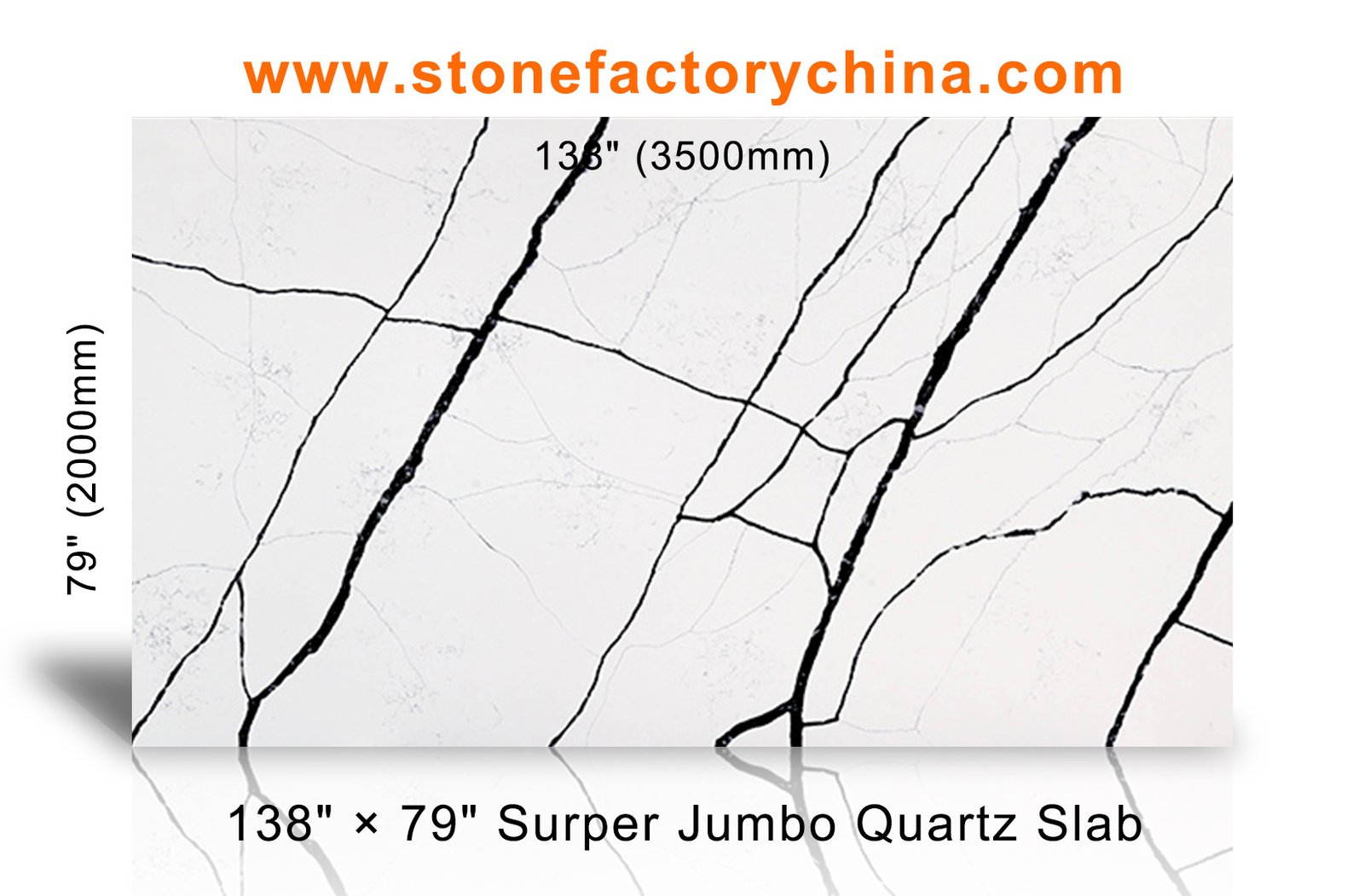
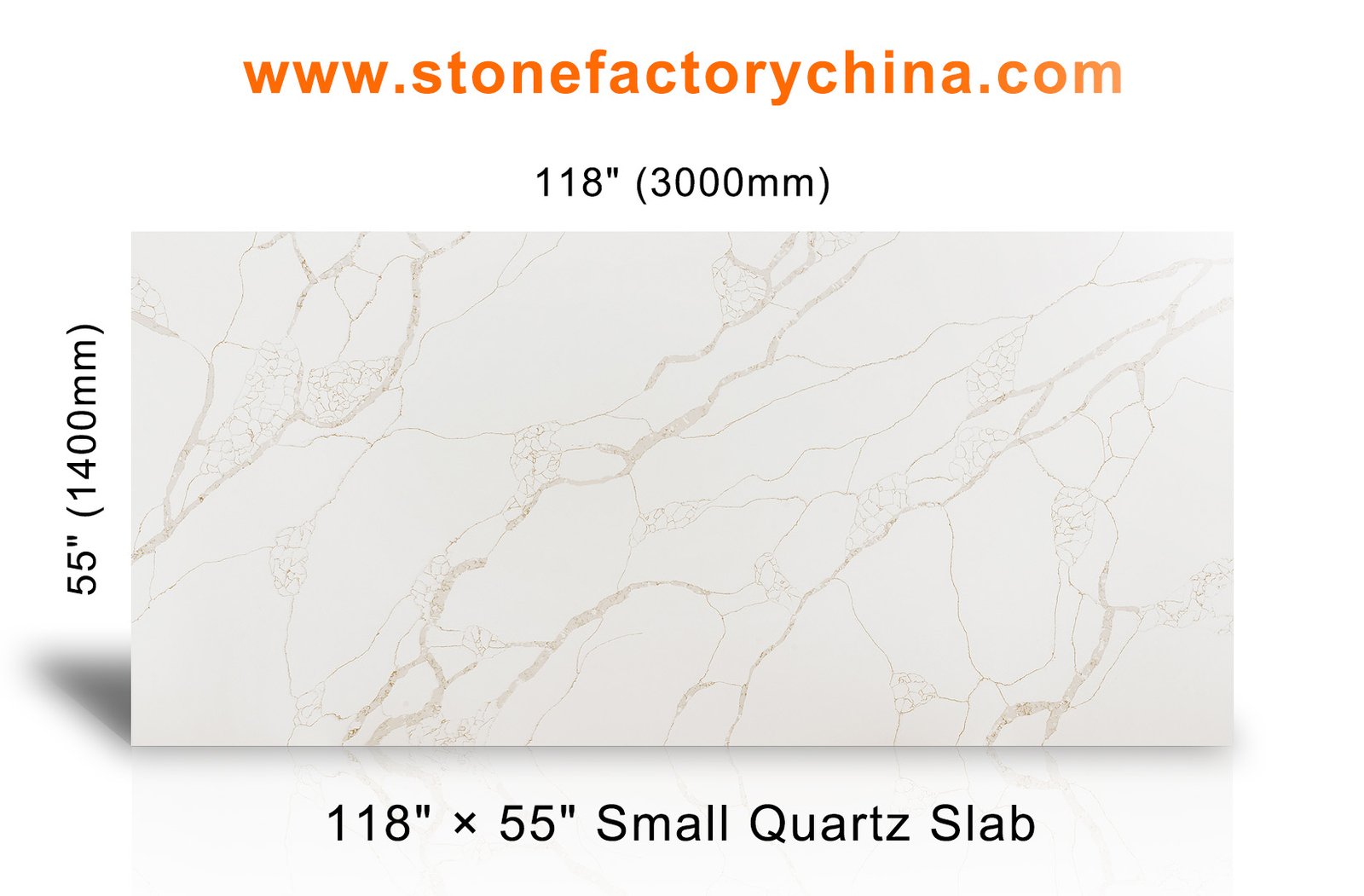
Comparison of Jumbo Quartz Slab Size of Some Leading Brands
From what I understand, the dimensions of quartz slabs vary slightly from brand to brand. I believe this variation arises because each brand caters to different customers and uses different countertop fabrication methods. Sizes are also adjusted based on the requirements of various projects to reduce material waste. As a manufacturer, we at Oplay not only offer our own standard specifications but also provide customization services for all sizes to meet the diverse needs of our global customers.
Here is a table comparing standard slab sizes of Opaly and other brands:
| Manufacturer | Standard Size | Jumbo Size | Super Jumbo Size |
|---|---|---|---|
| Opaly | 3050 × 1520 mm | 3200 x 1600 mm | 3500 x 2000 mm |
| Caesarstone | 3050mm x 1400mm | 3240mm x 1640mm | - |
| Cambria | 3070mm x 1410mm | 3350mm x 1660mm | - |
If you need more detailed information on the sizes offered by each brand, or assistance in choosing the right size for your project, please feel free to contact our team.Contact Us.
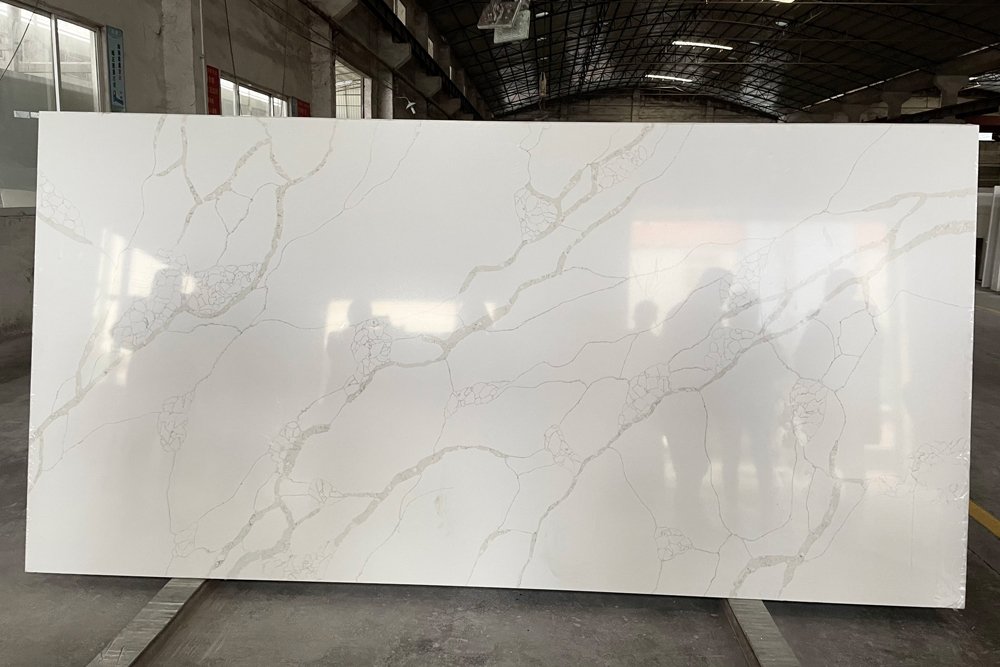
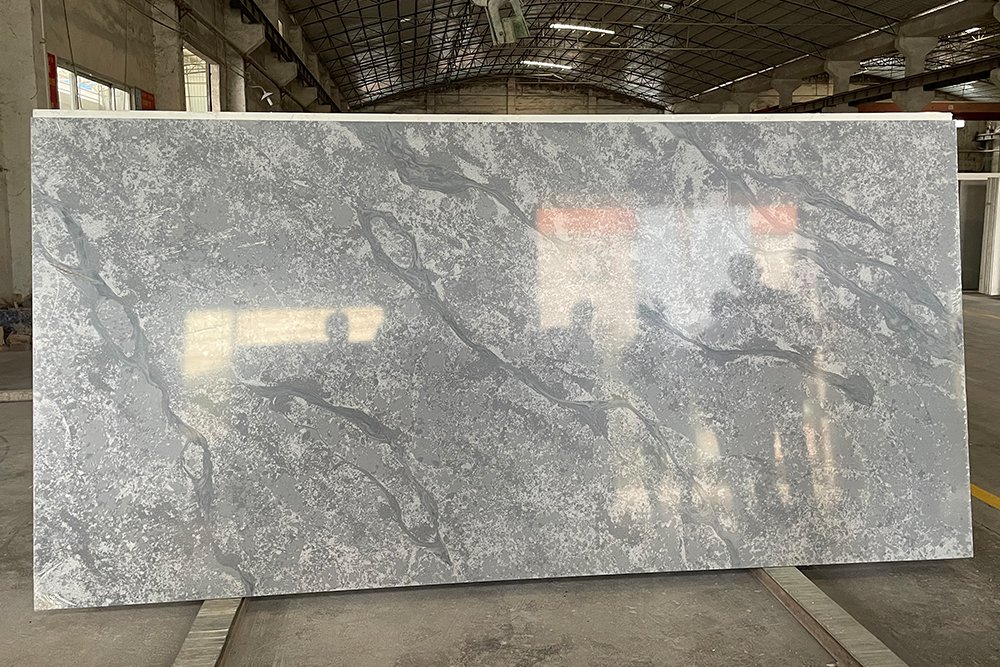
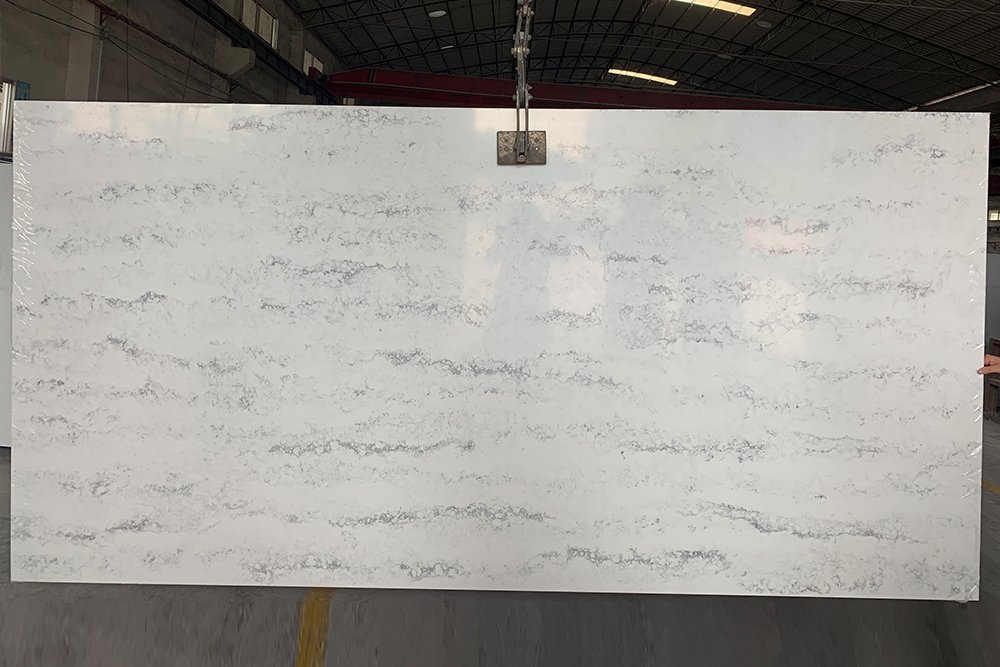
I have been involved in the quartz slab industry since 2012, working with clients from all over the world and witnessing quartz slabs become increasingly popular in modern interior design. Its color consistency and exceptional performance offer a blend of beauty and practicality, making it ideal for countertops, flooring, walls, and any other application that requires a stone surface.
Understanding standard quartz slab dimensions is crucial for project design and planning. It determines how you can select the right sizes for your project to minimize material waste and achieve a flawless final design. Here are some photos of standard large slabs from Opaly quartz for your reference.
How to choose the Right Quartz Stone Slab Size?
When selecting quartz slab sizes for an engineering project, there are three main factors to consider:
-
Project Dimensions: The choice of quartz slab size should be based on a comprehensive evaluation of the dimensions and quantities of the various products within the project. By combining these factors, you can determine a custom specification that minimizes both seams and waste.
-
Overall Aesthetics: If the project features a Calacatta pattern, selecting jumbo or super jumbo slabs will yield the best results. The larger dimensions allow both the horizontal countertop surface and its vertical faces to be cut from a single slab, which effectively maintains the pattern's continuity.
-
Project Budget: Super jumbo slabs are typically 10%-15% more expensive than other sizes because their production process is more complex, and their significant size and weight result in higher transportation costs. However, jumbo slabs are generally sufficient to meet the requirements of most projects.
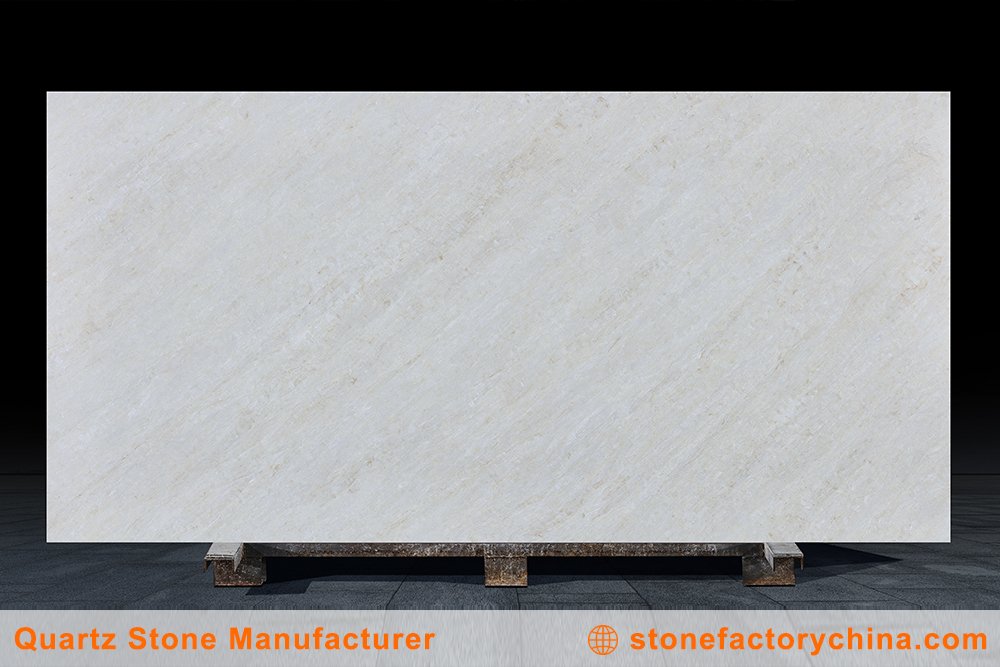
Super Jumbo quartz slabs offer an ideal choice for projects aiming for a seamless surface finish. By understanding the advantages and disadvantages of different quartz slab sizes, this article enables project managers and designers to make the optimal selection for their projects, balancing aesthetics, practicality, and cost-effectiveness.
Jumbo vs. Super Jumbo – Which is the best for your engineering project?
Tired of visible seams ruining your quartz countertops? These lines can disrupt the beautiful flow of the stone. Choosing the right slab size is the key to a flawless finish.
Jumbo slabs 126" x 63" ( 3200 x 1600 mm) are best for most projects, offering great value and versatility. Super Jumbo slabs 138" x 79" ( 3500 x 2000 mm) are ideal for large, seamless designs like big kitchen islands or commercial spaces. Your project's specific dimensions will determine the most cost-effective choice.
I understand that as a procurement manager, your goal is to get the best material while controlling costs. The choice between Jumbo and Super Jumbo directly impacts your budget and the final look. Let's look at the details of each size so you can make an informed decision for your next project.
Advantages of Jumbo Quartz Slabs
Are you dealing with too much material waste from standard slabs? This excess material cuts into your project's profit margin. Jumbo slabs can help you optimize your layout and reduce waste.
The main advantage of Jumbo quartz slabs is their balance of size and cost-efficiency. They are large enough for most kitchen islands and countertops, reducing the need for seams. This makes them a versatile and economical choice for a wide range of residential and commercial projects.
1. The Advantage Of Jumbo Quartz Slabs
Jumbo slabs are a top choice for projects because they effectively solve common issues like awkward seams and high material waste. They offer a practical and efficient solution for fabricators and homeowners alike.
2. Standard Jumbo Slab Dimensions
These oversized slabs typically measure 126 by 63 inches (3200 x 1600 mm). This size is optimized to yield two standard countertop depths from a single slab width with minimal offcuts.
3. Reduce Waste And Material Costs
By using jumbo slabs, projects can cut material costs by nearly 15% and significantly reduce waste. Their efficient size ensures more of the purchased material is used in the final installation.
4. Achieve A Seamless Countertop Look
Their large format allows for covering most kitchen islands without a seam. This creates a clean, continuous surface that is highly desirable for modern kitchen designs and improves the overall aesthetic.
5. Simplify Fabrication And Installation
Jumbo slabs make the fabrication process easier and faster for professionals. This simplification leads to direct savings in on-site labor and time, streamlining the entire project workflow.
6. A Reliable Workhorse For Quartz
Considered the workhorse of the quartz world, this slab size delivers a reliable combination of beautiful aesthetics, cost savings, and installation efficiency. It is a practical choice for most residential and commercial projects.
Opaly Jumbo vs. Standard Slabs
| Feature | Jumbo Slabs 126" x 63" ( 3200 x 1600 mm) | Standard Slabs 120" x 60" ( 3050 x 1520 mm) |
|---|---|---|
| Seamless Potential | High for most islands | Low, often requires seams |
| Material Yield | Excellent, less waste | Moderate, more offcuts |
| Best For | Most residential kitchens | Smaller countertops, vanities |
| Cost-Efficiency | High due to less waste | Can be lower per slab, but higher project cost |
Advantages of Super Jumbo Quartz Slabs
Do your clients want massive, seamless islands that standard slabs can't handle? You might be forced to compromise the design with seams. Super Jumbo slabs remove these limitations completely.
Super Jumbo slabs offer the ultimate design freedom. Their massive size (138" x 79") allows for creating huge, single-piece islands, conference tables, and wall cladding without any seams. This provides a luxurious, high-end look that is impossible to achieve with smaller slabs.
1. Eliminate Seams in Large-Scale Projects
For oversized installations like 12-foot reception desks or massive kitchen islands, Super Jumbo slabs (3500 x 2000 mm) provide a single, continuous surface. This completely eliminates the need for unsightly seams, ensuring a flawless and premium finish that clients demand.
2. Ideal for High-Impact Applications
Super Jumbo slabs are the ultimate choice for creating a statement piece. They are perfect for large-scale applications, including expansive kitchen islands, uninterrupted waterfall edges, grand commercial bar tops, and seamless feature wall panels where visual impact is key.
3. Achieve Unmatched Aesthetic Results
The primary benefit is a stunning, unbroken flow of quartz that transforms a surface into a seamless work of art. The final result is a luxurious and high-end look that is simply unattainable with smaller slabs, justifying the investment.
Opaly Super Jumbo vs. Jumbo Slabs
| Feature | Super Jumbo Slabs 138" x 79" ( 3500 x 2000 mm) | Jumbo Slabs 126" x 63" ( 3200 x 1600 mm) |
|---|---|---|
| Maximum Seamless Area | Unmatched, for very large projects | Excellent for most projects |
| Design Application | Luxury residential, commercial lobbies | Standard residential and commercial |
| Handling & Logistics | More complex, requires special equipment | Standard, easier to handle |
| Project Cost | Higher initial cost, but delivers unique value | Most cost-effective for general use |
Jumbo and Super Jumbo Thickness Options
Are you unsure whether to specify 20mm or 30mm thickness for your project? Choosing incorrectly can lead to support issues or overspending. Understanding the difference is key to success.
The most common thickness options are 20mm (3/4") and 30mm (1 1/4"). 2cm is popular for its lower cost and lighter weight, often used for backsplashes and standard countertops. 3cm is stronger, more durable, and provides a premium, substantial look without needing a laminated edge.


20mm Slab: Lighter and More Versatile
-
Lightweight Advantage And Handling Benefits
The primary benefit of a 20mm slab is its lighter weight. This characteristic makes transportation and handling significantly easier and more cost-effective for projects. -
Ideal Applications For Vertical Surfaces
Its reduced weight makes the 20mm slab an excellent option for vertical installations. It is well-suited for applications such as wall cladding and shower walls. -
Structural Support For Countertop Use
When used for countertops, a 20mm slab requires a plywood sub-top for added support. This underlying structure ensures the countertop is stable and durable for daily use. -
Creating A Thicker Slab Appearance
To achieve the look of a thicker slab, the edge is typically built up. This is accomplished by adding a mitered or laminated strip to create a substantial visual profile.
30mm Slab: Substantial and Luxurious
-
High-End Look And Feel
The 30mm slab provides a more substantial and premium appearance for countertops. Its thickness contributes to a high-end aesthetic that is highly valued by clients. -
Simplified Countertop Installation
Due to its inherent strength, this slab does not require a sub-top for support. This simplifies the installation process and allows the edge to be profiled directly. -
Cost And Logistical Considerations
These benefits come with a higher price for both the material and its handling. The logistics of moving and installing the heavier slab are also more demanding.
20mm vs. 30mm Thickness
| Aspect | 20mm (3/4") Thickness | 30mm (1 1/4") Thickness |
|---|---|---|
| Weight & Handling | Lighter, easier to install | Heavier, requires more labor/equipment |
| Support Needed | Often requires plywood sub-top | Generally does not require sub-top |
| Edge Profile | Usually laminated or mitered for a thick look | Can be directly profiled for a solid look |
| Cost | Lower material and transport cost | Higher material and transport cost |
| Best Application | Countertops, backsplashes, wall cladding | High-end countertops, large islands |
Deciding Factor: Market Preference
Ultimately, the decision is often driven by regional market demands. In some areas, there is a strong preference for the solid and robust feel of 3cm slabs for kitchen countertops, making it the standard choice despite its higher cost.
Why are Super Jumbo Slabs more Expensive?
Struggling with the high cost of Super Jumbo slabs? These premiums inflate project budgets and ugly seams can ruin a perfect design. What if you could avoid both?
Super Jumbo slabs are typically 15-20% more expensive due to complex production, higher waste, and difficult logistics. However, thanks to our advanced manufacturing, we offer Super Jumbo slabs at the same price as standard sizes, giving you superior aesthetics and lower labor costs without the premium price.
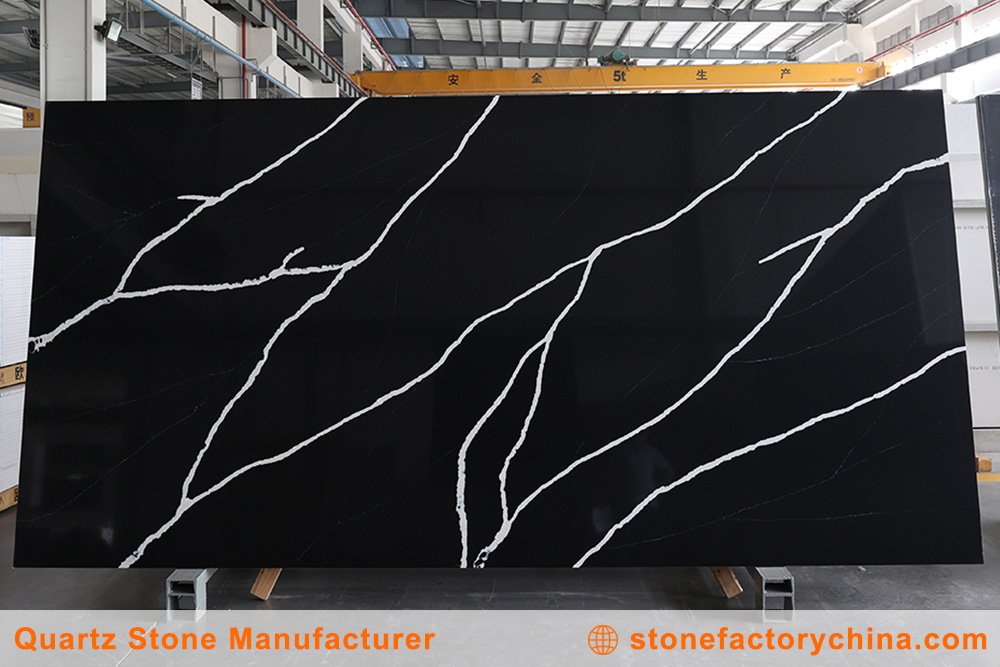
I talk to procurement managers like you every day. I know the frustration. You find the perfect color for a large kitchen island, but the standard slab size forces a compromise. You either accept an obvious seam, or you pay a hefty premium for a bigger slab. But understanding why that premium exists is the first step. And understanding how to get around it is the key to unlocking better project margins. Let's break down the real costs behind these giant slabs and then I'll explain how my company changed the game for our partners.
What Drives the High Cost of Super Jumbo Slabs?
-
Understanding Super Jumbo Slabs
Super Jumbo slabs are oversized surfaces, typically measuring 3500x2000mm. Their large dimensions create unique production and logistical challenges that directly impact their final cost. -
Specialized Manufacturing And Equipment
Producing these slabs requires significantly larger and more expensive machinery for pressing and polishing. These specialized machines also consume more energy, increasing operational costs for the manufacturer. -
High Risk In The Production Process
Ensuring perfect color and pattern consistency across such a large area is technically difficult. A single flaw can result in the entire slab being discarded, adding a high cost of risk. -
Complex Logistics And Transportation
These massive slabs do not fit on standard A-frames and require special handling equipment. They also need larger trucks for safe transportation from the factory to the warehouse. -
Why The Final Price Is Higher
All of these combined factors—specialized equipment, production risk, and complex logistics—result in a 15-20% cost increase that manufacturers pass on to the buyer.
| Cost Factor | Standard Slab | Super Jumbo Slab |
|---|---|---|
| Production Risk | Lower (less waste per error) | Higher (entire large slab is lost) |
| Energy Use | Standard | Significantly Higher |
| Equipment | Standard presses & kilns | Specialized, oversized equipment |
| Logistics | Standard A-frames & trucks | Special handling & transport required |
How Do Fewer Seams Translate to Real Savings?
-
The Visual Appeal Of Super Jumbo Slabs
These slabs offer a flawless, continuous surface that is a significant selling point for large kitchen islands and other applications requiring a seamless look. -
Uncovering Hidden Procurement Cost Savings
Beyond aesthetics, the primary benefit for procurement is significant cost reduction, which may not be immediately obvious when comparing material prices alone. -
Significantly Reduce Fabrication Labor Time
Using a single large slab eliminates the need for seams, drastically cutting down on hours of expensive, skilled labor for fabricators during installation. -
Eliminating Complex And Costly Seams
Fabricators save time and resources by no longer needing to cut, align patterns, apply epoxy, or polish seams to make them disappear. -
Increase Efficiency And Reduce Material Waste
A single slab approach avoids the material loss that occurs when book-matching smaller pieces, leading to more efficient use of purchased materials. -
A Proven Case For Labor Savings
One developer reported saving nearly a full day of fabrication labor for every two luxury condo kitchens installed after switching to Super Jumbo slabs.
Our Solution: Advanced Technology for a Fair Price
-
Investing In Advanced Production Technology
Our company invested in state-of-the-art manufacturing technology designed for large-scale efficiency. This strategic choice avoids passing high production costs on to customers. -
State-Of-The-Art Manufacturing Process
New production lines use high-pressure pressing and automated quality control systems. These features dramatically reduce the risk of flaws and improve overall product consistency. -
Efficiency That Reduces Waste And Energy
Our advanced manufacturing process minimizes material waste and lowers energy consumption for each slab. This operational efficiency creates significant cost savings. -
A New Pricing Model For Slabs
We absorbed the technology investment costs to solve the problem of high prices for our customers. This decision is central to our transparent and fair pricing strategy. -
Pay The Same For Super Jumbo Slabs
You pay the same price for a 3500x2000mm Super Jumbo slab as you do for a standard slab. This eliminates the typical 15-20% upcharge for larger formats. -
Our Permanent Business Model Commitment
This pricing structure is not a temporary promotion but a core part of our business model. It reflects our long-term commitment to providing exceptional value.
What Does This Mean for Your Business?
-
A New Pricing Strategy For Projects
This pricing model completely changes the calculation for your projects. It shifts the Super Jumbo slab from a luxury item to a smart, cost-effective choice. -
Gain A Strong Competitive Advantage
This strategy provides procurement managers with a powerful advantage. You can now bid on high-end projects requiring large surfaces without inflating the material budget. -
Offer Premium Looks As Standard
Provide your clients with a premium, seamless look without the extra cost your competitors may charge. This unique value proposition strengthens your project bids. -
Improve Your Margins And Profit
By offering a superior look as a standard feature, you can improve your margins on projects. This approach leads to a healthier bottom line for your business. -
Increase Fabricator Efficiency
Your fabricators become happier and more efficient with this streamlined approach. This results in better-looking finished projects and improved team productivity.
| Aspect | Sourcing from Others | Sourcing from Us |
|---|---|---|
| Material Cost | Standard Price + 15-20% Premium | Standard Price. No Premium. |
| Labor Cost | Higher (seam fabrication) | Lower (fewer or no seams) |
| Aesthetic Value | Compromised by seams | Superior, seamless look |
| Market Position | Standard | Highly Competitive |
How to effectively reduce quartz slab waste?
Are you tired of seeing project profits shrink due to excessive quartz slab wastage? The hidden costs of discarded material can quickly add up, hurting your bottom line and efficiency.
To reduce quartz slab waste, focus on precise measurements, optimized cutting plans, and proper material handling. Leveraging technology for layout and choosing suppliers who provide oversized slabs are also key strategies.
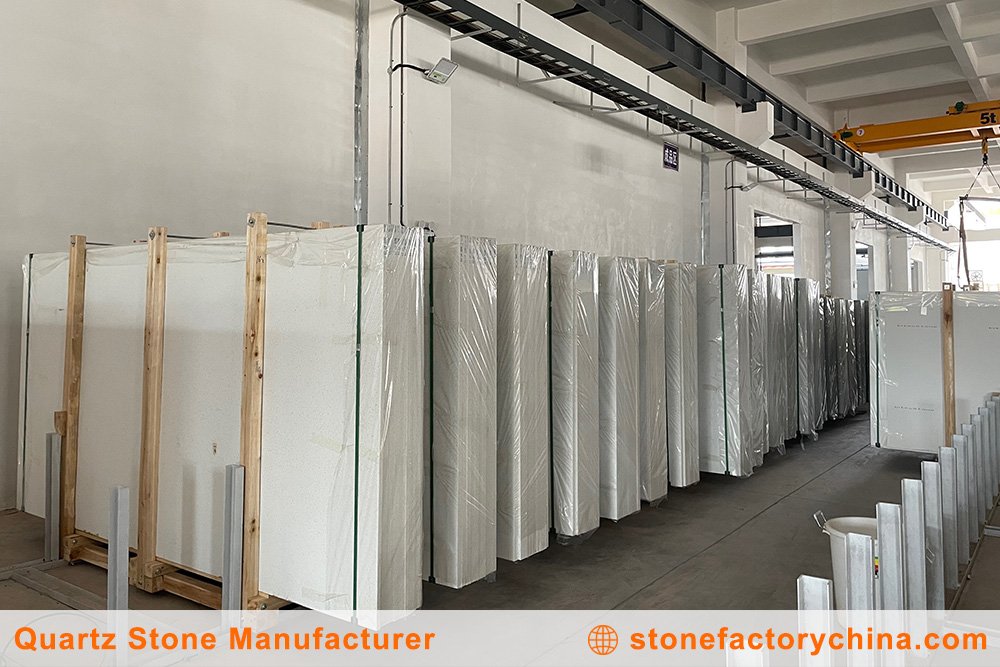
Navigating the complexities of waste reduction can feel overwhelming, but it doesn't have to be. It's about being smarter from the very beginning of your project, starting with how you calculate and handle your materials. Let's explore some practical strategies I've learned that you can apply immediately to protect your budget and improve your project outcomes. These aren't just theories; they are field-tested methods that deliver real results.
What are the general wastage approximations for quartz slabs?
Struggling to budget accurately because of unpredictable wastage rates? It's a common problem where estimates don't match the final material consumption, leading to costly over-ordering or last-minute shortages.
Generally, you should budget for about 10-15% wastage on quartz slab projects. This accounts for cuts, seams, and potential fabrication errors. Accurate initial measurements are critical to keeping this figure low.

Fine-Tuning Your Wastage Calculations
-
Understanding Material Waste From Cutting
Wastage often starts with basic measurements and cutting processes. Each saw cut removes a small amount of material, known as the kerf, which must be factored into your plans. -
Recommended Allowance For Blade Kerf
To ensure accurate projects and prevent shortages, it is wise to factor in a 10mm allowance for every cut. This provides a safe buffer to account for the blade's width. -
How Suppliers Help Minimize Waste
A key way to save material is by choosing a supplier that provides oversized products. This approach builds a buffer directly into the raw material before you even begin working. -
The Benefit Of Oversized Material Slabs
Standard 3200x1600mm slabs may arrive measuring 3220x1620mm. This extra material offers fabricators greater trimming flexibility and helps reduce waste at no additional cost.
| Factor | Standard Approach | My Recommended Approach |
|---|---|---|
| Cutting Allowance | Add 5-8mm per cut in plans | Plan for at least 10mm per cut |
| Slab Dimensions | Assume exact ordered size | Utilize the free 20-30mm extra material we provide |
| Wastage Goal | Accept 15-20% as normal | Aim for 10% or less with smart planning |
| Initial Planning | Focus only on the net area | Account for supplier-provided oversizing |
This small detail can significantly reduce the total number of slabs needed for a large project, directly impacting your material costs and improving overall efficiency.
What are the common causes of quartz slab wastage?
Are you finding unusable offcuts and damaged pieces piling up after every job? These seemingly small losses are often symptoms of bigger, preventable issues in your workflow that directly impact profitability.
The most common causes of wastage are inaccurate templating, fabrication errors, transportation damage, and inefficient cutting layouts. Poor communication between the design, measurement, and fabrication teams also contributes significantly.

Identifying and Eliminating Waste Sources
-
Preventing Waste From Measurement Errors
A small mistake during the initial templating stage can ruin an entire piece of expensive quartz. Implementing digital templating is a valuable solution that significantly reduces the risk of these costly errors. -
Optimize Slab Layout Planning
Arranging countertop pieces without a proper nesting plan is a primary cause of excessive offcuts. Smart layout planning involves fitting all parts together like a puzzle to maximize material usage. -
Reduce Damage During Transport And Handling
A cracked or chipped slab delivered to a job site results in 100% waste of that material. Working with suppliers that ensure robust packaging and logistics is critical to prevent breakage.
| Cause of Waste | Prevention Strategy | My Professional Tip |
|---|---|---|
| Measurement Errors | Use digital templating tools. Double-check all measurements. | Always have a second person verify the initial template measurements before cutting begins. |
| Poor Cutting Layout | Utilize nesting software to optimize the cut list. | Plan your cuts to create the largest, most usable remnant pieces possible for future small projects. |
| Fabrication Mistakes | Ensure machinery is well-maintained and blades are sharp. | Run test cuts on a smaller, scrap piece first to check for chipping and ensure blade alignment. |
| Handling & Transport Damage | Use proper A-frames and secure strapping. Inspect on delivery. | I always remind clients to inspect slabs immediately upon arrival and before signing off on the delivery. |
By systematically addressing these common points of failure, you can drastically cut down on waste and ensure more of your purchased material ends up in the finished project.
How can advanced planning and technology minimize waste?
Do you feel like you're still relying on outdated methods while waste continues to be a problem? Embracing modern tools can seem complex, but it's the most reliable way to improve precision and efficiency.
Advanced planning with CAD software and digital templating tools allows for precise, optimized cutting layouts. This technology helps you visualize the entire project, minimize seams, and maximize material yield before the first cut.

Leveraging Technology for Maximum Yield
-
**Modernizing Fabrication To Reduce Waste
Technology provides powerful tools that replace outdated, wasteful methods like hand-drawn layouts. This shift helps make the entire fabrication process more efficient and sustainable. -
Achieving Precision With Digital Templating
Digital templating devices capture a space’s exact dimensions with millimeter accuracy. This modern approach eliminates the human error commonly associated with using traditional tape measures. -
Virtual Slab Layouts In CAD Software
Measurement data is fed directly into Computer-Aided Design (CAD) software. Fabricators can then arrange all project components on a virtual representation of the quartz slab before making any cuts. -
Optimizing Yield With Nesting Algorithms
Specialized software algorithms automatically arrange pieces to achieve the highest possible material yield. This strategically fits smaller parts into gaps left by larger countertop sections. -
Significantly Reducing Physical Material Waste
By maximizing the use of the entire slab, this digital process drastically cuts down on physical waste. It ensures that less valuable material like quartz ends up as scrap. -
Saving Valuable Time In The Planning Phase
Beyond reducing waste, these digital tools streamline the layout process. This saves fabricators a significant amount of time and effort during critical project planning stages.
| Technology | Function | Impact on Waste Reduction |
|---|---|---|
| Digital Templating | Captures precise, digital measurements of the installation space. | Eliminates errors from manual measurement, ensuring cuts are right the first time. |
| CAD Software | Creates a digital model of the countertop and cutting layout. | Allows for virtual planning and optimization, preventing costly mistakes on the actual slab. |
| Nesting Software | Automatically arranges cut pieces on the slab for maximum material use. | Significantly increases material yield and minimizes the size and quantity of offcuts. |
| CNC Machines | Executes the cuts based on the digital plan with high precision. | Reduces cutting errors and ensures clean edges, minimizing rework and scrap material. |
Adopting these technologies streamlines the entire process from sourcing to installation, providing predictable costs and consistent quality. It turns material purchasing from a reactive task into a strategic, data-driven process.
What role do suppliers play in reducing waste?
Do you ever feel like your supplier is just a vendor, not a partner in your success? A good supplier should be actively helping you save money and improve efficiency, not just selling you material.
A proactive supplier helps reduce waste by providing consistently high-quality, oversized slabs, robust packaging to prevent damage, and expert advice on material selection and yield optimization. Their reliability is your first line of defense.

Choosing a Partner, Not Just a Vendor
Your supplier's contribution to waste reduction is immense and often underestimated. It goes far beyond just the price per slab. As I mentioned, my company provides slightly oversized slabs to give you a built-in safety margin. This is a deliberate choice we made after listening to feedback from clients about how tight tolerances were causing problems. Furthermore, consistent quality is non-negotiable. A slab with color inconsistencies, resin pools, or hidden defects forces you to cut around problematic areas, creating unnecessary waste. I personally oversee our quality control to ensure every slab we ship is usable from edge to edge. A reliable supplier also acts as a knowledgeable resource.
| Supplier Action | Benefit to You | How It Reduces Waste |
|---|---|---|
| Providing Oversized Slabs | Free, extra material for flexibility. | Gives fabricators a margin for error and trimming without sacrificing usable area. |
| Ensuring Consistent Quality | No need to discard slabs or cut around defects. | Maximizes the usable surface area of every single slab you purchase. |
| Robust Packaging/Logistics | Slabs arrive intact and undamaged. | Eliminates 100% loss from breakage during transit, a common source of waste. |
| Expert Consultation | Access to industry knowledge on yield optimization. | Helps you make smarter purchasing and planning decisions before you even order. |
Ultimately, a partnership with your supplier means they are invested in your project's success. Their commitment to quality, reliability, and service directly translates into less waste and higher profitability for your business.
What size should you choose for Calacatta?
Jumbo 126" x 63" ( 3200 x 1600 mm) and Super jumbo slabs 138" x 79" ( 3500 x 2000 mm) are the recommended choices. We do not advise using smaller formats unless absolutely necessary. This is because, in practical applications, it can be very difficult to align the veining on smaller slabs, which compromises the pattern's integrity on a kitchen island.
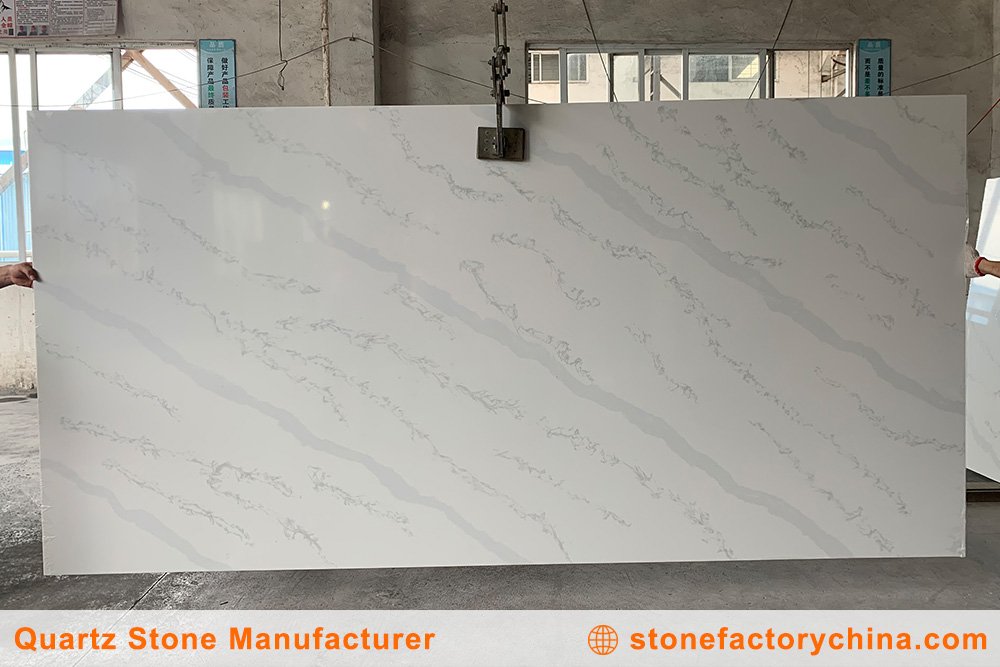
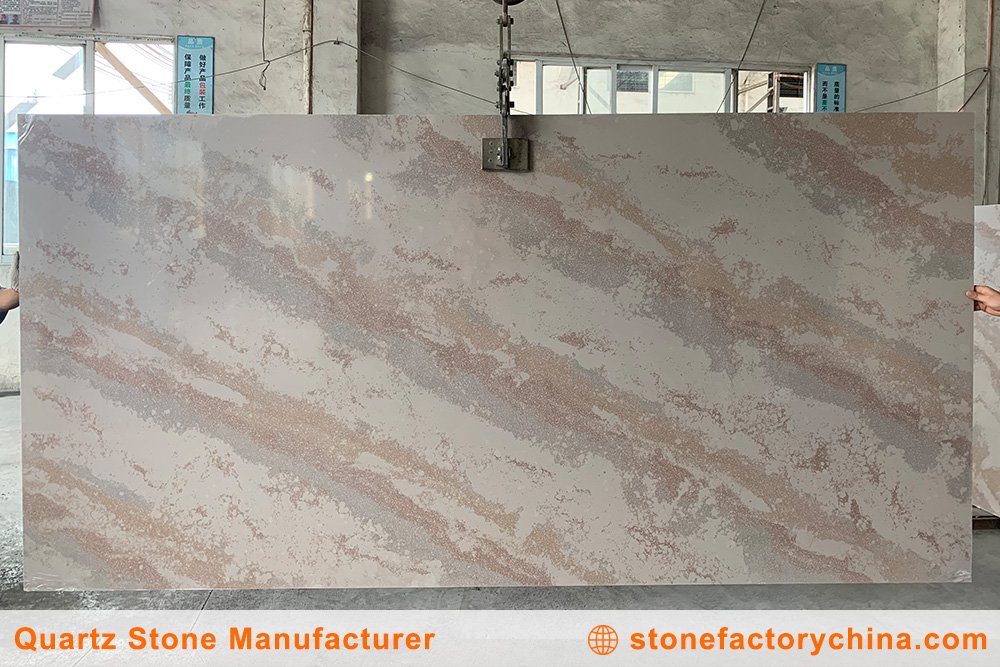
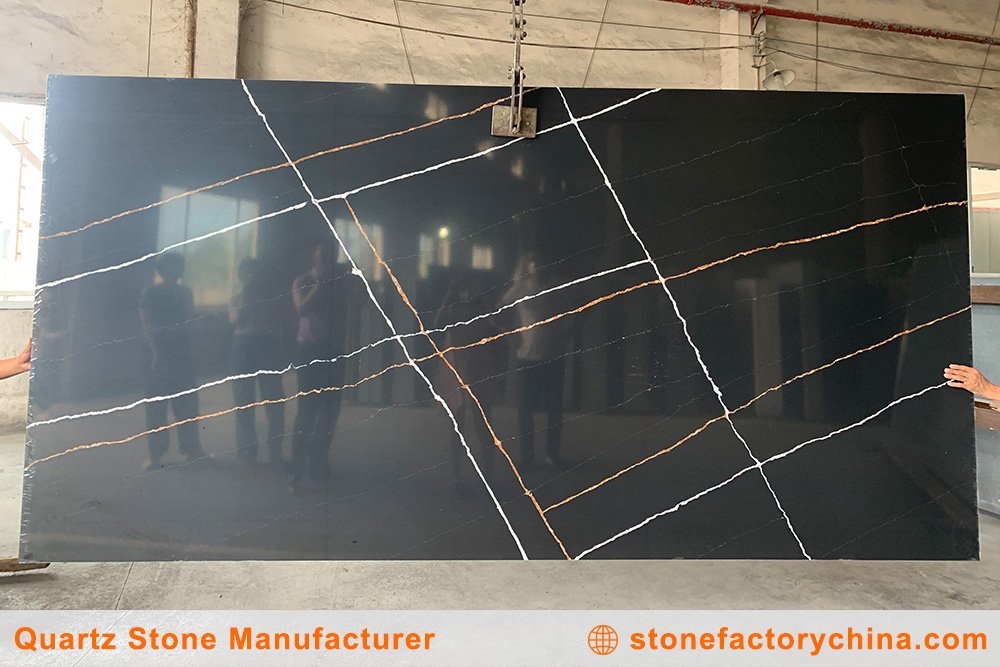
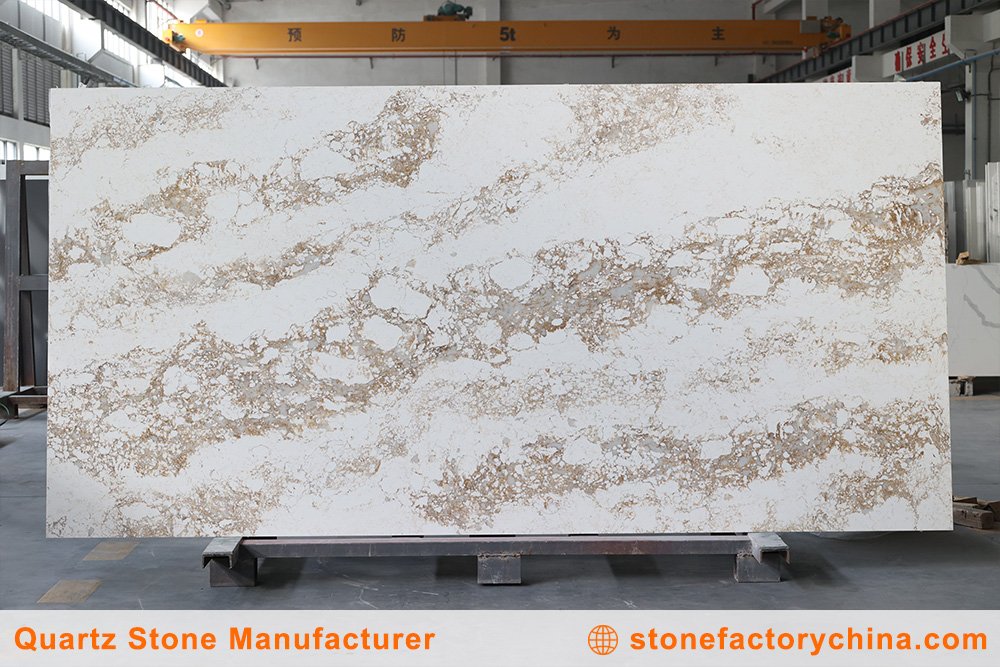
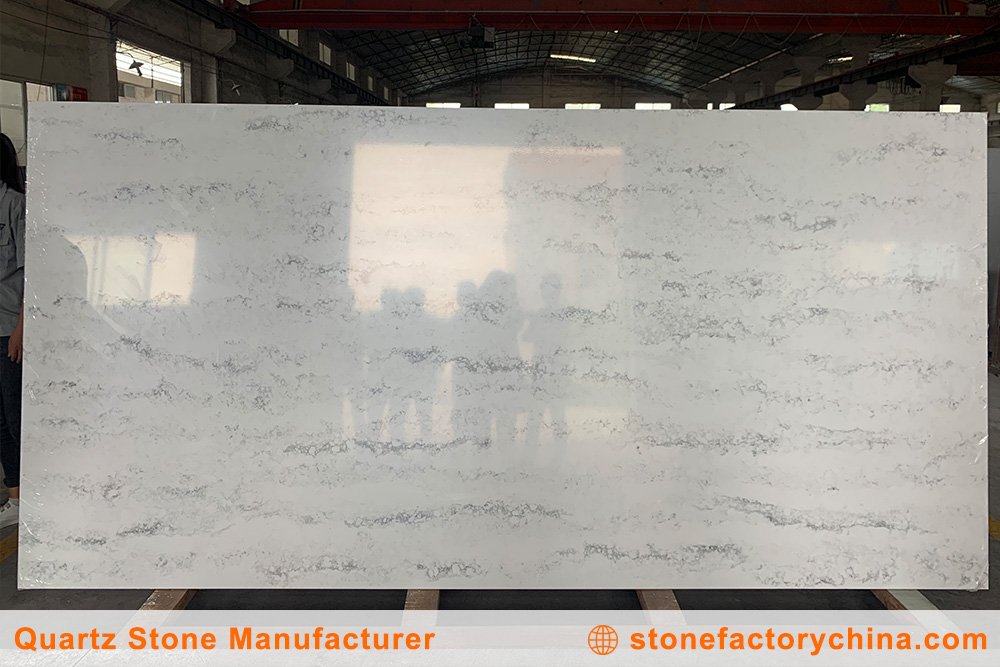
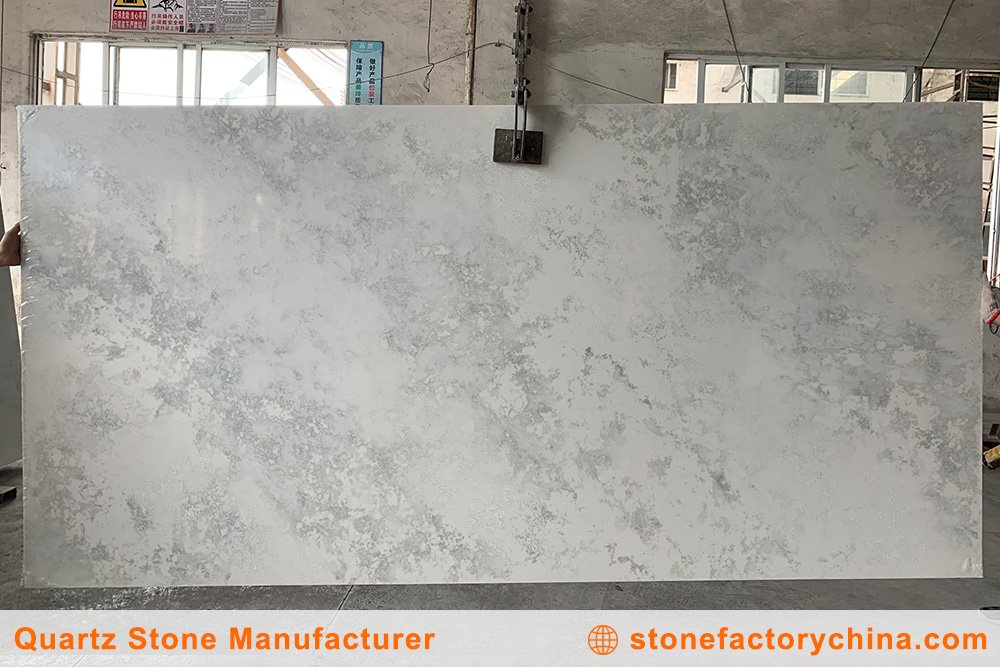

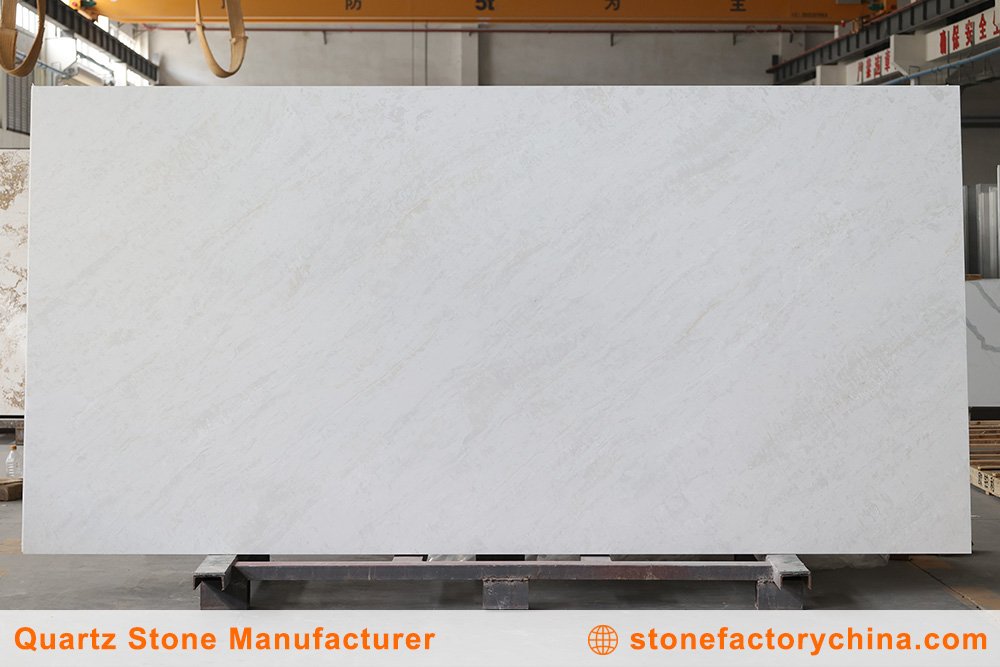
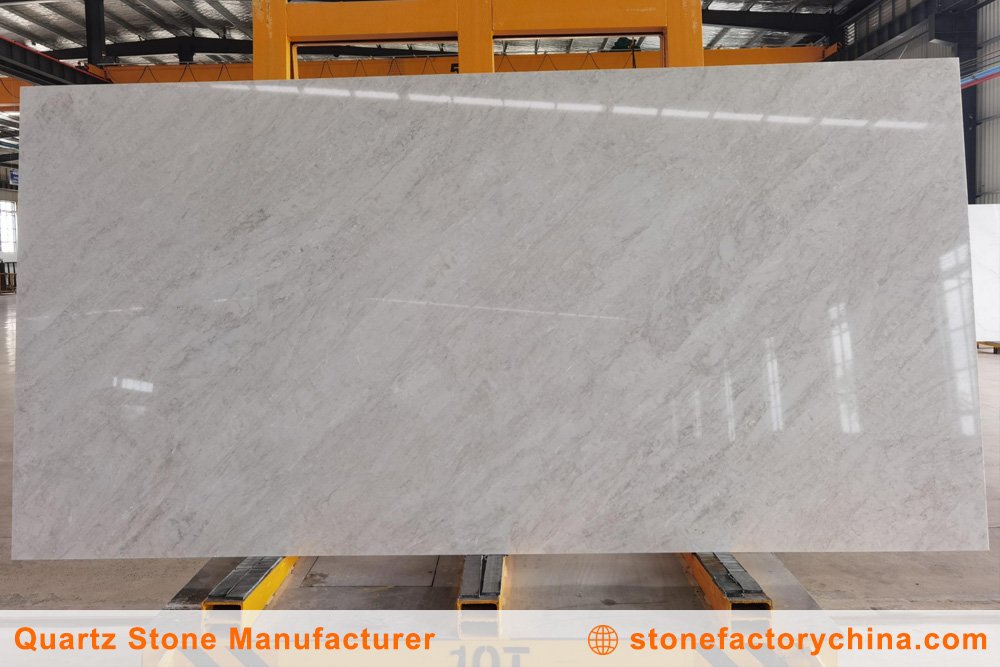
The design of Calacatta quartz slabs not only captures the magnificence of natural Calacatta marble but also provides excellent batch consistency and cost-effectiveness. This makes them an outstanding choice for various projects that require stone surfaces.
Learn more about Opaly calacatta quartz slabs!
What is the largest size quartz slab?
Tired of visible seams ruining your large countertop designs? Planning large-scale projects is frustrating when standard slabs are too small. This limits your design and increases waste.
The largest common quartz slab size is the "super jumbo," typically measuring 138 x 79 inches (3500 x 2000 mm). This size helps create seamless large surfaces like kitchen islands and commercial countertops, minimizing joints and material waste for a cleaner, more premium look.
What is the maximum length of a quartz slab?
Designing a long, continuous bar or reception desk? Standard slab lengths often fall short. This forces you to use multiple pieces and create unsightly seams in your final installation.
The maximum standard length for a quartz slab is usually 138 inches (3500 mm). At my company, Opaly, we have pushed this further. Our production lines can create slabs with a usable length of up to 139 inches (3530 mm), giving you extra flexibility for ambitious projects.

Why do jumbo quartz slabs matter for your projects?
Are clients rejecting proposals because of visible seams? It's tough when material limitations compromise your design vision. This can make projects look less high-end and potentially lose you bids.
Jumbo quartz slabs are a game-changer. They allow for large, seamless surfaces, which is what modern design demands. This reduces fabrication labor, minimizes waste, and gives a more luxurious finish. For you, this means more competitive bids and happier clients with superior results.

The Strategic Advantages of Larger Slabs
-
Optimize Material Yield And Reduce Waste
Jumbo slabs allow for larger cuts with minimal leftover material, directly improving your project's budget. An 80-inch slab can yield two 40-inch pieces with almost no waste. -
Lower Seam-Related Labor Costs
Using larger slabs eliminates the need for seams, which saves hours of skilled fabrication work. This reduces time spent on cutting, gluing, and polishing for a better finish.
Are there challenges with handling super jumbo quartz slabs?
Worried about the logistics of using oversized slabs? The thought of transport damage, difficult site access, or needing special equipment can make you hesitate, even if the design benefits are clear.
Yes, handling super jumbo slabs presents challenges. They require specialized equipment for transport and installation, more manpower, and careful logistical planning. Site access, like elevators and stairwells, must be checked beforehand. It's crucial to work with experienced partners who understand these requirements.

Navigating the Logistics of Oversized Slabs
-
Secure Packing For Safe Shipping
Suppliers pack super jumbo slabs in specially designed A-frames to prevent breakage. This secure method is essential for protecting the material during sea freight. -
Essential Fabricator Workshop Requirements
Your fabricator needs a workshop equipped with large cutting tables and bridge saws. These tools are necessary to properly manage and cut oversized slabs. -
Preparing The Installation Team
Ensure the installation team has enough people and proper lifting equipment. Suction cup lifts or small cranes are often required to handle the weight safely. -
Planning The On-Site Delivery Path
Always check the access route from the delivery truck to the final installation area. A clear path is crucial for moving the large slabs without issues.
| Logistic Checklist for Jumbo Slabs | Yes/No | Notes |
|---|---|---|
| Confirmed transport vehicle can handle size/weight? | Check with your freight forwarder. | |
| Confirmed fabricator is equipped for jumbo slabs? | Ask for their machine specifications. | |
| Measured all site access points (doors, elevators)? | Don't forget tight corners! | |
| Planned for extra manpower or lifting equipment? | Get a quote from the installer. | |
| Coordinated delivery time with all teams? | Project manager, installer, client. |
How does slab size impact the final project cost?
Struggling to balance project budgets with client demands for high-end finishes? Choosing the right slab size can feel like a gamble, with unexpected costs for materials and labor.
Jumbo slabs often have a higher price per square foot. However, they can reduce the total project cost by improving material yield and lowering fabrication labor. You might need fewer slabs overall, which offsets the higher unit price and results in a more cost-effective and superior outcome.

Analyzing the Total Cost of Ownership
-
Beyond The Initial Purchase Price
Procurement professionals should focus on the total cost of ownership rather than just the initial price, as a higher-priced item can lower overall project costs. -
The Challenge With Standard Slabs
When a project requires more than one standard slab, you must purchase two. This common scenario results in significant material waste and unnecessary expense. -
Jumbo Slabs Offer A Smart Solution
A single, larger jumbo slab can often cover an entire area without seams. This eliminates the need to purchase a second slab for a small overrun. -
Reducing Waste And Lowering Project Costs
By using one jumbo slab instead of two standard ones, you avoid paying for an unused half-slab. This directly reduces material waste and total expenses. -
Boosting Value With Seamless Design
A seamless countertop provides a superior aesthetic finish that adds significant value to a property. This delivers a better return on investment for the end client.
What is the quartz slab thickness?
Common Thicknesses For Quartz Stone
- 15mm
- 20mm
- 30mm
These options are suitable for most residential and commercial projects.
Custom Thickness And Special Projects
- 12mm
- 18mm
- 20+20mm
For unique project requirements, special thicknesses can be customized upon request.
How to choose the Right Quartz Stone Slab Thickness?
Choosing the wrong quartz thickness can risk your project's budget and durability. You need to make the right call, but the options can be confusing and lead to costly mistakes.
The right engineered quartz thickness depends entirely on the application. For countertops, 20mm or 30mm is standard. For floors and decorative surfaces, thinner slabs like 15mm or even 12mm are often better. The best choice always balances durability, aesthetics, and cost for your specific project.
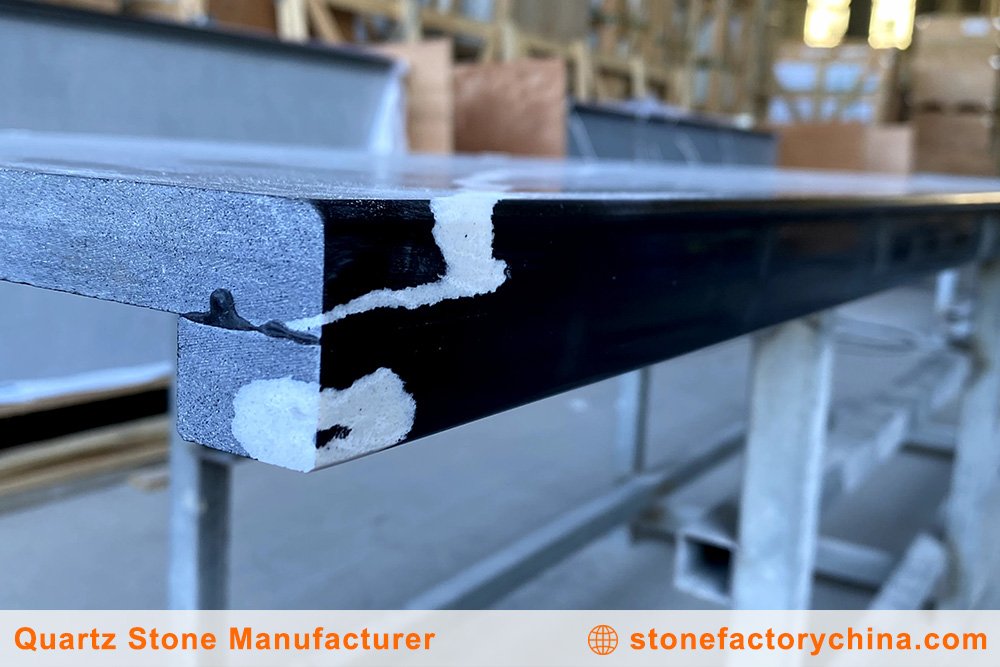
The secret is to understand the demands of the application first. Let's break it down, step by step, so you can choose the perfect thickness every single time.
What thickness is the best for quartz kitchen countertops?
A kitchen countertop is a huge investment in any project. Choose a thickness that is too thin, and you risk cracks from daily use. Choose one that is too thick, and you might overspend unnecessarily.
For kitchen countertops, 30mm (1 1/4") offers the ultimate in luxury and strength, while 20mm (3/4") provides the best balance of performance, cost, and design flexibility. Your choice depends on the project's budget and desired aesthetic.

Comparing 20mm and 30mm for Kitchens
To help you decide, let's look at a direct comparison. Each thickness has its place.
| Feature | 20mm (3/4") | 30mm (1 1/4") |
|---|---|---|
| Aesthetics | Modern, sleek. Can be built up with a mitered edge for a thicker look. | Substantial, luxurious, and high-end. Makes a bold statement. |
| Durability | Very strong and durable for all normal kitchen activities. | Exceptionally strong. Offers maximum impact resistance and durability. |
| Support | May require plywood sub-topping, depending on cabinet structure. | Can often be installed directly on cabinets without extra support. |
| Cost | More cost-effective in both material price and shipping weight. | Higher material cost and increased shipping and handling costs. |
| Edge Profiles | Supports most edge profiles. Mitered edges are very popular. | Ideal for more complex and ornate edge profiles. |
What thickness is the best for quartz floors?
Your flooring needs to withstand constant foot traffic and cleaning. If the slab is too thin, it could crack under pressure. If it's too thick, it adds unnecessary weight and installation costs.
For most quartz flooring applications, a thickness of 12mm is ideal. It offers excellent durability for residential and light commercial foot traffic without the excessive weight or cost of thicker countertop slabs. Proper subfloor preparation is critical.

Key Factors for Quartz Flooring Thickness
The decision for flooring thickness is less about aesthetics and more about practical considerations like the project type and installation realities.
| Factor | 12mm-15mm Slabs | 20mm Slabs |
|---|---|---|
| Application Area | Ideal for residential and commercial spaces like lobbies, hallways, and living areas. | Overkill for flooring. Unnecessarily heavy and costly for this use. |
| Subfloor Condition | Requires a perfectly level and stable subfloor for successful installation. | Also requires a level subfloor, but its rigidity is less forgiving of imperfections. |
| Installation Cost | Easier to handle, cut, and install, leading to lower labor costs. | Significantly heavier, requiring more labor and specialized equipment to install. |
| Weight | Lighter weight puts less stress on the building's structure. | Very heavy. May require structural engineering review in some cases. |
What thickness is the best for Quartz Stairs?
Stairs must be safe and incredibly durable. Choosing a thickness that is too thin is a major safety hazard. It could lead to a cracked tread underfoot, causing serious injury and liability.
For quartz stairs, safety and strength are the top priorities. 20mm is the recommended minimum thickness for stair treads. For high-traffic commercial projects or floating stair designs, 30mm is the superior choice for maximum rigidity and durability.
Unlike walls or even floors, stairs bear concentrated, dynamic loads every single day. Each step is an impact. Because of this, you cannot compromise on thickness. While 12mm might be fine for a decorative riser, it is completely unsuitable for the tread that you step on. Using a slab that is too thin for a stair tread is a risk I would never take, and I advise all my clients against it. The tread needs to be rigid enough to span the distance it covers without flexing or cracking.
Balancing Safety and Style on Stairs
For stairs, the choice between 20mm and 30mm is a matter of balancing good performance with the best possible performance, especially when visual impact is also a goal.
| Factor | 20mm Treads | 30mm Treads |
|---|---|---|
| Structural Strength | Strong and sufficient for most residential stair applications with proper support. | The strongest option. Essential for floating stairs or high-traffic commercial stairs. |
| Visual Impact | Provides a solid, clean look. | Creates a more substantial, luxurious, and visually impressive staircase. |
| Edge Profile | A bullnose or eased edge is common and looks great. | Allows for more detailed and robust edge profiles, adding to the grand look. |
| Overall Cost | More economical than 30mm. | Higher material and installation cost, but provides ultimate peace of mind. |
Conclusion
The optimal choice for quartz slab size and thickness depends on striking a balance between meeting project requirements and minimizing material waste. Different projects and applications require different slab dimensions and thicknesses, which makes partnering with an experienced fabricator especially important. Our goal is not only to complete projects flawlessly but also to reduce resource waste.
FAQ
Q: What is the standard quartz slab sizes?
A: Standard: 120" × 60"(3050 × 1520 mm); Jumbo: 126" × 63"(3200 × 1600 mm); Super jumbo: 138" × 79"(3500 × 2000 mm); Small Slab: 118" × 55"(3000 × 1400 mm).
Q: What is the standard quartz slab sizes thickness?
A: Common Thicknesses For Quartz Stone: 15mm;20mm;30mm.
Q: Super jumbo quartz slabs cost more?
A: Opaly's super jumbo size does not incur any additional charges.