Are you struggling to verify the quality of imported quartz? This uncertainty can lead to costly project failures. Understanding key quality control standards is essential for protecting your investment.
The main quality standards for quartz slabs focus on dimensional accuracy, surface perfection, color consistency, durability, and low water absorption. These benchmarks ensure slabs meet international requirements for both performance and appearance.

I have been in the building materials export trade since 2012. I have seen firsthand how important quality control is. A good procurement manager, like my client Rajiv in Mexico, knows that a project's success depends on the quality of its materials. Poor materials cause delays and budget problems. To avoid these issues, it is important to understand what makes a quartz slab high-quality. I want to share my experience to help you navigate the complexities of sourcing quartz stone. Let’s break down the essential standards you need to know.
How to check the quality of quartz?
Are you unsure how to inspect a quartz shipment when it arrives? This uncertainty can be very costly. Here is a simple checklist to verify quality on the spot.
You can check quartz quality by measuring its thickness and dimensions for uniformity. Inspect the surface for a smooth, pit-free polish and consistent color. Also, perform simple scratch and stain tests.

When a container of quartz slabs arrives at a port, the real work begins for a procurement manager. You cannot rely only on the supplier's spec sheet. You need to conduct your own checks. I always advise my clients to have a clear inspection process. From my experience working with partners worldwide, a hands-on check is non-negotiable. This is especially true for materials sourced under specific trade regulations, like China’s CCC system, which demands strict compliance. A small deviation can cause big problems with customs in places like the US or EU. This practical inspection ensures the product you paid for is the product you received, safeguarding your project from the start.
A Practical Checklist for On-Site Inspection
| Quality Check | Method | What to Look For |
|---|---|---|
| Thickness Consistency | Use digital calipers to measure all four corners and the center of the slab. | Uniform thickness (e.g., 2 cm or 3 cm) with minimal variance. |
| Surface Finish | Visually inspect the surface under good lighting. Run your hand over it to feel for imperfections. | A smooth, glossy finish with no pits, scratches, or dull spots. |
| Dimensional Accuracy | Use a tape measure to check the slab's length and width against the order specifications. | Precise dimensions that match the required specs for installation. |
| Color and Pattern | Compare the slab to the approved sample. Check for consistency across the entire surface. | Uniform color and pattern distribution without blotches or streaks. |
What are the different levels of quartz quality?
Not all quartz is created equal. Choosing the wrong quality level can compromise your project. You need to understand the different tiers to make informed purchasing decisions and avoid costly mistakes.
Quartz quality is generally graded as first-choice (premium), commercial, or second-choice. These levels are defined by factors like color uniformity, surface perfection, and structural integrity, which affect both aesthetics and price.
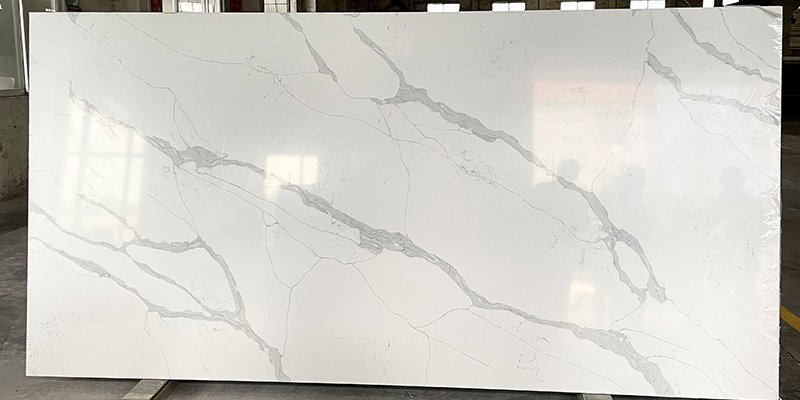
In my years of exporting, I've learned that one of the biggest challenges for buyers is understanding that "quartz" is not a single-quality product. The price differences you see often reflect these quality tiers. A lower price might seem attractive, but it could mean you are buying a second-choice slab with visible defects. For high-end residential or commercial projects, where aesthetics are critical, a first-choice slab is the only option. Manufacturers in China are pushed by trade initiatives like the Belt and Road to meet global standards, so they often use automated systems to sort slabs by quality. This helps ensure that when a client like Rajiv orders a premium product, they receive a product with flawless color and finish.
Understanding Quartz Grades
| Quality Grade | Surface Characteristics | Color & Pigment Distribution | Best For |
|---|---|---|---|
| First-Choice (Premium) | Flawless, no pits, scratches, or defects. High gloss. | Perfectly uniform color and pattern. | High-end residential and commercial projects with no compromises. |
| Commercial Grade | Minor, barely visible imperfections. Good polish. | Slight variations in color may be present. | Standard residential projects, offering a balance of cost and quality. |
| Second-Choice | Visible defects like pits, scratches, or blotches. | Noticeable color inconsistency or streaks. | Budget projects where minor aesthetic flaws are acceptable. |
Does the quality of quartz vary?
Have you ever noticed inconsistencies between quartz batches from the same supplier? This variation is a real problem. Let’s explore why this happens and how you can manage it effectively.
Yes, quartz quality can vary significantly between different manufacturers and even between production batches. This is due to differences in raw materials, production processes, and quality control enforcement.
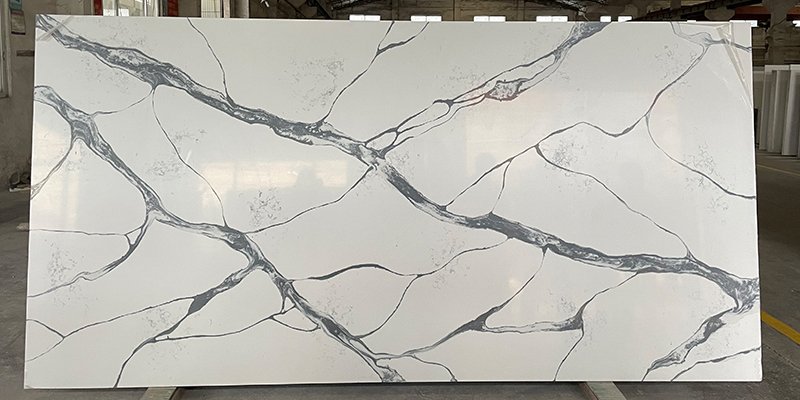
I once had a client who was building a large hotel. He ordered hundreds of slabs from a supplier. The first batch was perfect, but the second was a disaster. The colors did not match, and some slabs were weaker than others. This taught me a valuable lesson: consistency is everything. Quality variation is a major risk in our industry. It often comes down to the manufacturer's commitment to standards. Top-tier factories invest heavily in technology to ensure every slab is the same. They also conduct rigorous strength testing to meet durability standards, like a compressive strength above 150 MPa. China's customs inspections for exports often check for this, penalizing suppliers who fail to maintain consistency for markets with strict safety rules like North America.
Factors Causing Quality Variation
| Factor | Description | Impact on Quality |
|---|---|---|
| Raw Materials | The purity of the natural quartz crystals used. The quality and type of polymer resins. | Impure quartz or low-grade resin leads to weaker, less durable slabs. |
| Production Process | The level of automation in mixing, pressing, and curing. The technology used for polishing. | Inconsistent processes cause variations in color, density, and finish. |
| Pigment Quality | The quality and source of pigments used for coloring the slabs. | Low-quality pigments can lead to blotchy, uneven color distribution. |
| QC Enforcement | How strictly a factory follows its own quality control standards for every single slab. | Lax enforcement results in defective products being shipped to customers. |
Is there poor quality quartz?
The market is flooded with quartz options, but some of them are truly substandard. Installing poor quality quartz will lead to cracks, stains, and very unhappy clients. You must know the warning signs.
Absolutely. Poor quality quartz often has a high resin content, making it prone to scratching and heat damage. It may have inconsistent color, surface pits, and high porosity, which leads to staining.
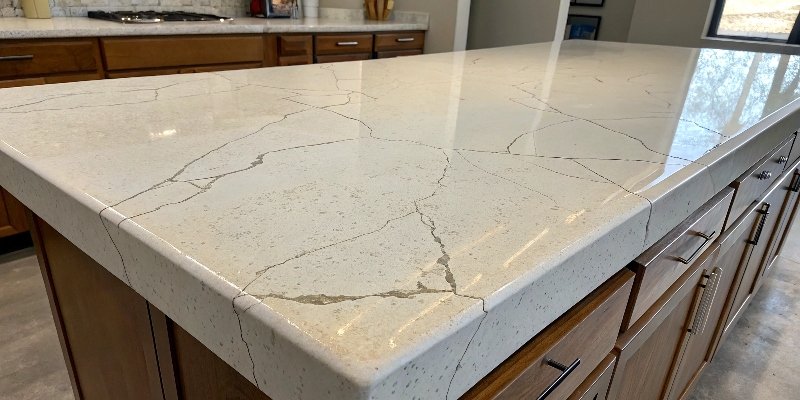
I cannot stress this enough: bad quartz is a liability. I have seen it ruin reputations. It looks fine on day one, but it fails quickly. It scratches from everyday use, stains from a simple spill, and can even crack from thermal shock. A key indicator of quality is the water absorption rate. A high-quality slab should have a rate below 0.05%. Anything higher means the slab is porous and will absorb liquids, leading to stains and bacteria growth. This is a major focus for us as manufacturers. China’s trade policies are increasingly promoting sustainable and green products through certifications. Meeting these low absorption standards not only makes for a better product but can also provide benefits like tax rebates, encouraging us to produce durable, safe, and environmentally friendly slabs.
Red Flags of Substandard Quartz
| Red Flag | Description | Why It's a Problem |
|---|---|---|
| High Porosity | The slab has a water absorption rate higher than 0.05%. | It will easily absorb liquids, leading to permanent stains. |
| Low Hardness | The surface scratches easily with a knife or keys. | The slab contains too much resin and not enough quartz. |
| Color Blotches | The color is inconsistent, with visible patches or streaks of pigment. | Indicates poor mixing and a low-tech production process. |
| Chemical Smell | The slab emits a strong chemical or plastic odor. | Suggests low-quality resins were used, which can be unsafe. |
Conclusion
Understanding these quality standards is vital. It empowers you to select the right quartz, ensuring your projects are built with durable, beautiful, and reliable materials every single time.